
Gratitude gets thrown around a lot these days. It shows up in wellness apps, in captions, in every other self-help book on the shelf. Said enough times, it starts to sound vague. Maybe even a little fake.
Here’s an honest take on gratitude. It isn’t about pretending your life is perfect. It’s not about forcing a smile when nothing feels good. Real gratitude just means training your attention. Noticing what’s still working, even on a rough day. Even when nothing about the day feels special.
So how do you actually build that? Not with a $40 journal. Not with an hour of silence every morning. Small, repeated moves beat big dramatic overhauls almost every time. Whether it’s college deadlines, a burned-out job, or a phone that won’t stop buzzing, this guide covers ways to build a gratitude habit that sticks. One that feels real, not performed.
Quick Answer
Practicing gratitude means noticing, on purpose, the people and small moments that actually add something to your life. Start simple. Write down three things you’re thankful for each day. Thank one person, out loud, once a week. Pause once during your routine and notice something small and good. That’s it. This guide is built for Gen Z adults who want gratitude habits that survive a busy, distracted week, not just a weekend retreat. If gratitude already feels heavy or tangled with anxiety, this piece on gratitude and anxiety existing at the same time is worth reading first.
Table of Contents
Disclaimer
This blog is written and edited with the help of AI, then reviewed by me before publishing. As a result, the content is for general reflection only, not therapy or medical advice, and I’m not a licensed mental health professional. If you’re in crisis, please contact 988 if you’re in US or a local crisis service of your country instead of relying on this site.
What Does It Mean to Practice Gratitude?
Practicing gratitude means noticing the good in your life on purpose. Not the big wins. The small stuff too. A text back from a friend. Free parking. A cup of coffee that’s actually hot for once. Most people wait to feel thankful until something huge happens. That’s backwards. Gratitude works better as a habit than as a reaction.
Here’s the confusion most people carry. Gratitude gets treated like “thinking positive.” It’s not the same thing. Real gratitude asks you to slow down and actually notice what’s holding you up right now. A friend who checks in without being asked. A roof that doesn’t leak. A hard failure that taught you something useful. Learning how to practice gratitude isn’t about pretending things are fine when they aren’t. It’s about training your attention to catch what’s still good, even on a bad week.
Definition
Gratitude is the conscious recognition of what’s good in your life. People. Circumstances. Your own effort. It counts either way. Psychologists Robert A. Emmons and Michael E. McCullough put it simply: gratitude isn’t just a mood that passes through. It’s a way of noticing what already exists and choosing to value it. Wood et al. (2009) go further, describing gratitude as a broader life stance, one that pushes people to actually respond to kindness and support instead of just registering it.
So what makes it work? Two things stacked together: noticing, then valuing. You’re not just clocking that something nice happened. You’re pausing to ask why it matters. That single pause, repeated enough times, starts changing how you read your own days. Good moments get easier to spot. Hard ones don’t disappear, but they stop crowding everything else out.
If you’re wondering how to cultivate gratitude, start here. It’s rarely about waiting for something extraordinary. Most of it is just paying attention to the ordinary stuff you’d normally skip past.
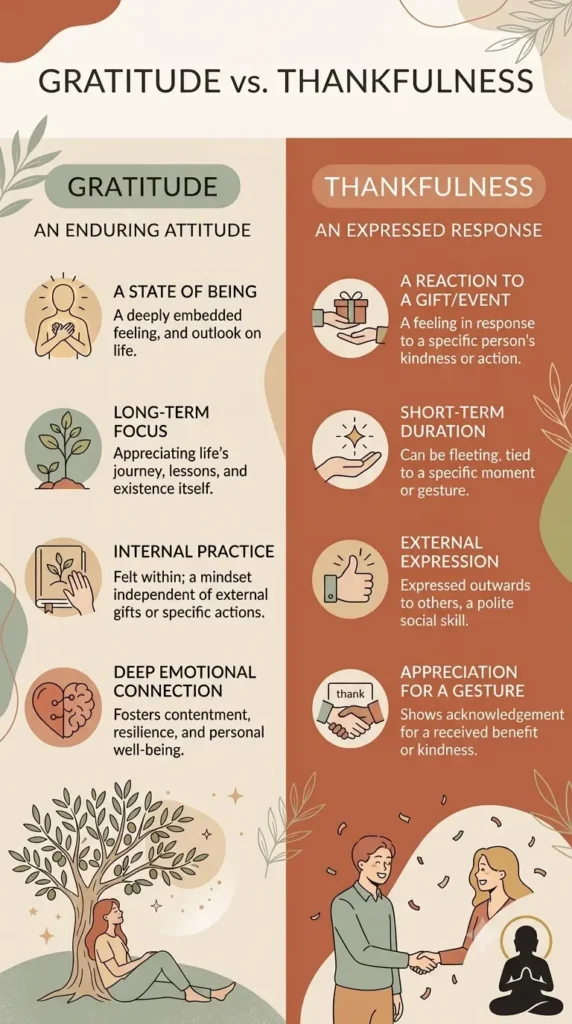
Gratitude vs. Thankfulness
People swap these two words constantly. Fine for casual conversation. Worth untangling if you’re trying to build an actual practice.
Thankfulness shows up after something specific happens. Someone helps you move a couch. A friend holds the elevator. You get the good version of the sandwich by accident. Something happened, so you feel it.
Gratitude is bigger than that. It’s not a reaction waiting for a trigger. It’s the lens you look through. You can appreciate your health, your ability to learn something new, or just the quiet ten minutes before bed, without a single dramatic reason behind it.
Thankfulness is the moment. Gratitude is the habit built out of a thousand of those moments. If you want to see what that looks like in practice, this running list of things to be thankful for is a decent place to borrow ideas from.
Active vs. Passive Gratitude
Not all gratitude gets practiced the same way. This is where most people stall out.
Passive gratitude stays inside your head. You notice something good, feel it for a second, and move on. Nothing wrong with that. It still counts. But it fades fast, and it rarely changes anything long-term.
Active gratitude does something with the feeling. You write it down. You send the text. You tell your sister exactly why you’re glad she called. These are small moves, but they’re what actually build daily gratitude into a routine instead of a stray thought.
Think of it like a muscle. Reading about the gym doesn’t build one. Feeling grateful for two seconds doesn’t reshape a habit either. Sound too simple? It is. That’s the whole point. The shift comes from repeating small actions until noticing the good becomes automatic, not from having one big emotional moment about it.
That’s why people who ask how to practice gratitude daily usually get further once they stop chasing a feeling and start pairing gratitude with a small, repeatable action. A gratitude journal works for exactly this reason. So does a five-minute gratitude worksheet before bed. The format matters less than the repetition.
Why Practicing Gratitude Works
Thanks isn’t just a nice feeling. Research shows it changes how you pay attention, how you handle hard days, and how tough you get over time. Gratitude won’t erase stress. It won’t make anxiety vanish overnight either. But keep at it long enough, and your whole outlook starts to shift.
Emmons & McCullough (2003): The Counting Blessings Study
One study gets quoted more than almost any other in this space. It’s the 2003 Emmons and McCullough gratitude study, published in the Journal of Personality and Social Psychology. People who wrote down what they were thankful for each week felt more hopeful. They reported higher life satisfaction too. Compare that to a group who logged daily hassles instead, or just neutral events. Life didn’t get easier for the gratitude group. Not really. What changed was how they read their own days.
Kini et al. (2016): Gratitude Can Shape the Brain
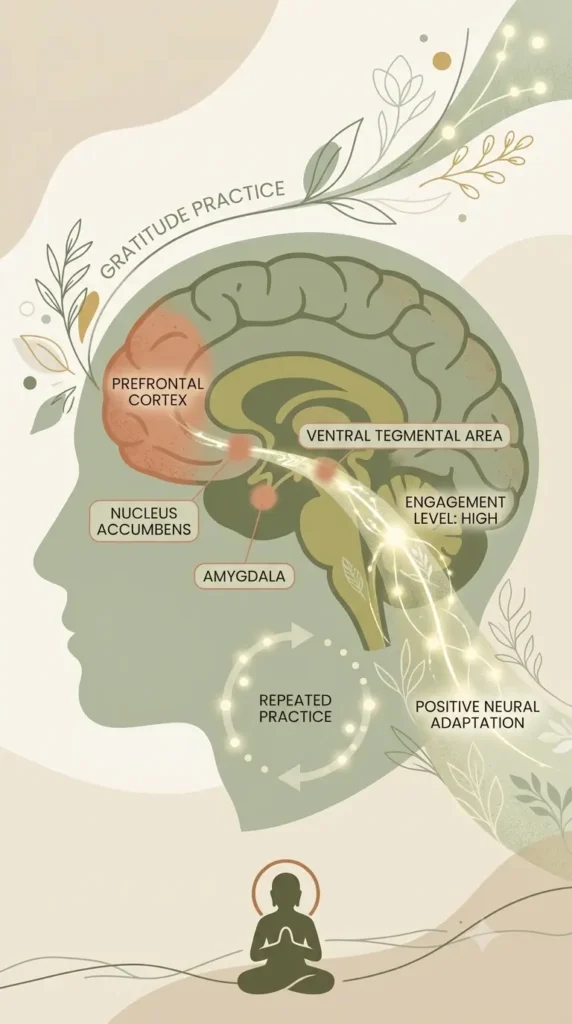
Gratitude may leave a mark on the brain itself. That’s what the 2016 Kini et al. NeuroImage study found. Months after a gratitude exercise ended, participants who’d written thank-you letters still showed different activity in brain regions tied to learning and decision-making. Months later. Not days. That’s the part worth sitting with. It backs up the idea that gratitude works like a muscle. Use it enough, and it gets stronger on its own.
Fredrickson’s Broaden-and-Build Theory
This isn’t just about feeling good in the moment. Psychologist Barbara Fredrickson’s Broaden-and-Build Theory argues something bigger. Positive emotions widen your thinking first, then help you stockpile resources you can draw on later. Gratitude slots right into that. Notice what’s going right, even mid-crisis, and you start spotting chances you’d have missed. You hold onto relationships instead of letting them slide. You bounce back instead of getting stuck.
Wondering how gratitude and anxiety fit together at the same time? This piece on whether gratitude and anxiety can coexist breaks down exactly that.
Seligman’s Gratitude Letter Study
Here’s an honest take most gratitude advice skips. Martin E. P. Seligman, one of the founders of positive psychology, found that writing a heartfelt letter and delivering it in person gave people a real happiness boost. Sound too simple? It is. The effect faded without repeat practice, sure. But the lesson stuck: gratitude hits harder once it’s spoken out loud, not just felt quietly.
We’ll come back to this later when we get into ways to actually show appreciation. A handwritten note. A random text. Even a voice memo works.
Looking for everyday moments worth noticing? Check out things to be thankful for for more.
How to Practice Gratitude Daily Without It Feeling Forced
Practicing gratitude daily works best as a habit, not a chore. You don’t need a fancy journal. Or constant inspiration. Or a nonstop positive mindset. Small, repeatable habits beat occasional bursts of motivation, especially once life gets busy again.
Habit stacking: attach gratitude to something you already do
Want an easy way to build daily gratitude? Attach it to a habit you already have.
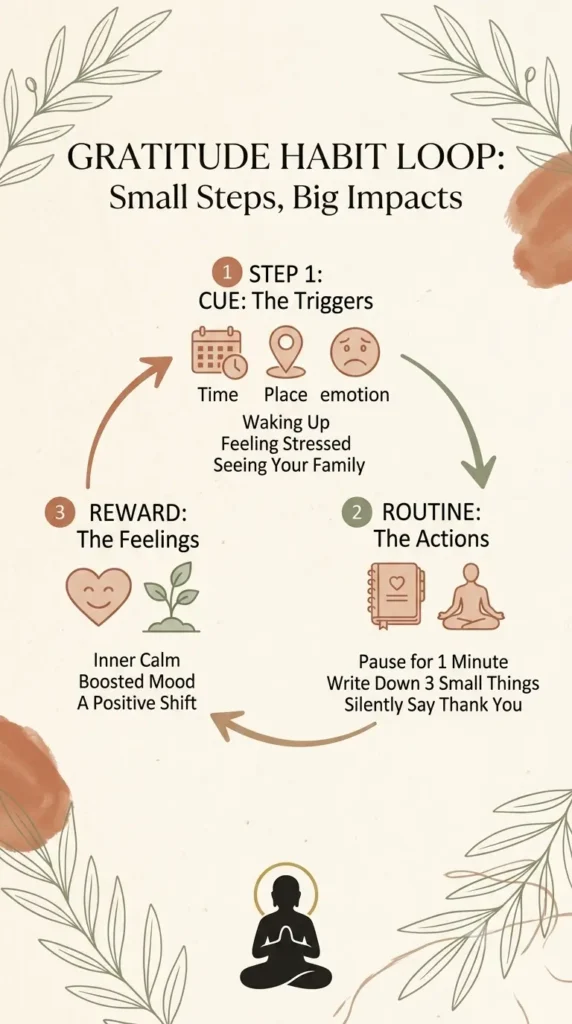
This is the cue-routine-reward loop. A cue triggers the behavior. The routine is the gratitude practice itself. The reward is the good feeling that follows.
Here’s how it plays out. You brush your teeth (cue). Then write down one thing you’re grateful for (routine). Then pour your morning coffee, or check it off in your habit tracker (reward).
Do this enough times and your brain stops treating it as a separate task. It just becomes part of the routine. That’s the whole shift.
Not sure what to write each time? A gratitude journal template or a running gratitude list takes the guesswork out of the routine step.
Start so small it feels almost too easy
Shrink the habit until it’s almost too easy to fail. That’s the real move here.
BJ Fogg, the behavior researcher behind the Tiny Habits method, argues lasting habits start with actions nearly impossible to mess up.
Struggled with consistency before? Skip the ten-entry nightly journal. Write one sentence. Or three words. That’s enough to count.
The goal isn’t to impress yourself. It’s to keep showing up.
Give yourself permission to repeat the same answers
Many people think they’re doing gratitude wrong because they keep writing the same things. Family. Good health. A close friend. Maybe the dog.
That’s normal. Gratitude isn’t a creativity contest.
Revisiting what actually matters to you tends to deepen the appreciation, not water it down. Curious what this looks like for other people? A few gratitude examples show just how differently it plays out from one person to the next.
Don’t let social media set the bar for gratitude
Learning how to cultivate gratitude daily gets harder when your phone keeps pulling your attention away.
Scroll long enough and your ordinary Tuesday starts losing next to someone else’s highlight reel. That comparison quietly crowds out appreciation before you even notice it happening.
Here’s the real problem, though. It’s rarely that people forget to be grateful. It’s that gratitude starts to feel like a performance.
Forced positivity backfires. It leaves you feeling guilty for having a hard day in the first place.
So don’t fake it. Acknowledge the stress, the disappointment, the low mood. Then notice one small thing that made today a little better. Some days that’s the only honest entry on your list of things to be grateful for daily, and that’s fine.
The hard stuff plus one small good thing, held together, holds up. It’s a far more sustainable gratitude practice than pretending everything’s fine.
10+ Practical Ways to Practice Gratitude Every Day
Gratitude doesn’t need a journal full of pages. It doesn’t need forced positivity either. The habits that actually last are the ones you can repeat without thinking twice. Pick one or two that fit your life. Let them settle into your routine instead of piling onto your to-do list.
Gratitude Journaling
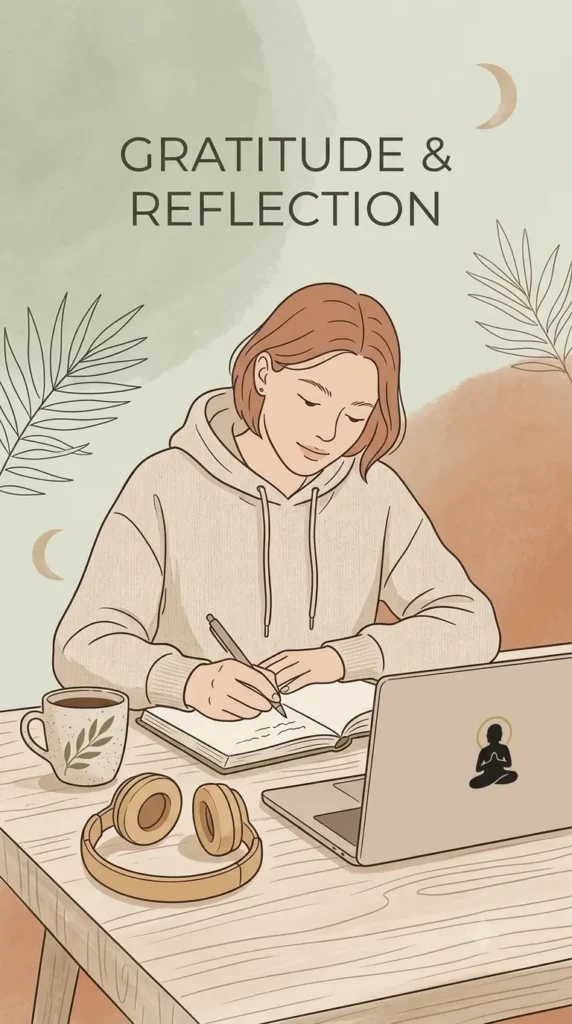
A gratitude journal works. It’s one of the most studied ways to build a lasting habit around thanks. Don’t try to log everything good that happened. Pick a few moments that actually stood out. That’s the real goal here. You’re training your attention to catch what’s already going right, not writing a perfect diary.
Most people quit because they think each entry needs to be long. It doesn’t. Three honest sentences often land harder than a full page of repetitive lists.
Say you’re a college student. Your entry might look like this:
- I finally understood today’s difficult lecture after watching a replay.
- My roommate surprised me with coffee before class.
- I laughed so hard during lunch that I forgot about tomorrow’s assignment for a while.
Ordinary stuff. That’s exactly the point. Gratitude grows once you start noticing everyday moments instead of waiting around for the extraordinary ones.
Not sure where to start? A structured template or a few guided prompts take the pressure off.
Gratitude Journal Template: beginner printable journal pages
Gratitude Journaling for Anxiety: using journaling when your mind feels overwhelmed
Keep a Daily Gratitude List
Even simpler than journaling: a daily gratitude list. No detailed reflections. Just a short list of things you appreciate each day.
This works well if your schedule is packed or writing just isn’t your thing. People, comforts, small opportunities, tiny moments that eased your day. All of it counts.
Some days your list holds something meaningful. Other days it looks like this:
- A playlist that instantly improved your mood.
- Getting a seat on the train.
- Clean sheets after a long day.
- Your favorite hoodie.
- A friend sending you a funny meme at exactly the right time.
None of that is life-changing. It doesn’t have to be. A steady daily gratitude habit teaches your brain to notice what’s already there instead of chasing what’s missing.
Running out of ideas? Browsing longer gratitude lists can refresh your thinking without copying someone else’s answers word for word.
Gratitude List: hundreds of gratitude ideas
Things to Be Grateful for Daily: everyday gratitude inspiration
Express Appreciation to Someone
Shared gratitude hits differently.
Psychologist Martin Seligman popularized the gratitude letter: write to someone who changed your life for the better. His research found that sincere appreciation, especially delivered in person, can lift happiness and strengthen relationships.
For Gen Z, that doesn’t mean pen and paper.
A heartfelt voice note works. So does a thoughtful DM, or just a genuine text. Format barely matters. Sincerity does.
Picture sending something like:
“I never really thanked you for checking in on me during exam week. It meant more than you probably realized.”
Short. Specific. Likely to brighten two days instead of one.
Make appreciation a habit and relationships tend to feel sturdier. People stop feeling taken for granted. They feel seen.
Gratitude Examples: examples of expressing appreciation naturally
Notice Small Everyday Wins
Here’s a common myth: you need a big win before you’re allowed to feel grateful.
You don’t.
A finished assignment. Making your bed before rushing out the door. Drinking enough water. Choosing a short walk over another hour of scrolling. All wins.
None of it shows up on a highlight reel. Yet these are the actual building blocks of a life that feels good.
Try this every evening. Ask yourself one question.
“What quietly went right today?”
That single question pulls your focus away from unfinished tasks and toward progress you’d otherwise miss.
Blanking at night? Keep a running list through the day instead. Much easier than trying to remember everything before bed.
What Am I Grateful for Today: daily reflection ideas
Practice Gratitude During Difficult Moments
Practicing gratitude in hard times isn’t about pretending everything’s fine.
Gratitude and difficult emotions can exist at the same time. You can feel anxious before an interview and still appreciate the friend who helped you prep. You can grieve a loss and still see the people holding you up.
That’s healthier than forcing positivity.
Skip the question:
“What’s good about this?”
Ask this instead:
“What’s helping me get through this?”
Maybe it’s family. Maybe your therapist. A playlist, a coworker who checks in, or just the fact that tomorrow gives you another shot.
Small shift. Makes gratitude feel honest instead of forced.
Can Gratitude and Anxiety Exist at the Same Time?: understanding gratitude without toxic positivity
Replace Comparison with Appreciation
Social media makes comparing yourself almost automatic.
Five minutes in, you’ve seen a promotion announcement, someone backpacking through Europe, a first apartment, an influencer who somehow wakes up looking rested. Every morning.
Your brain isn’t comparing your highlight reel to theirs. It’s comparing an ordinary Tuesday to hundreds of carefully edited moments.
Gratitude breaks that cycle.
Next time you catch yourself thinking:
“I wish I had their life,”
pause. Ask this instead:
“What do I already have that my past self would’ve celebrated?”
More confidence, maybe. Healthier friendships. A job you actually like. Better boundaries than you had a year ago.
Appreciation doesn’t kill ambition. It just stops ambition from turning into permanent dissatisfaction.
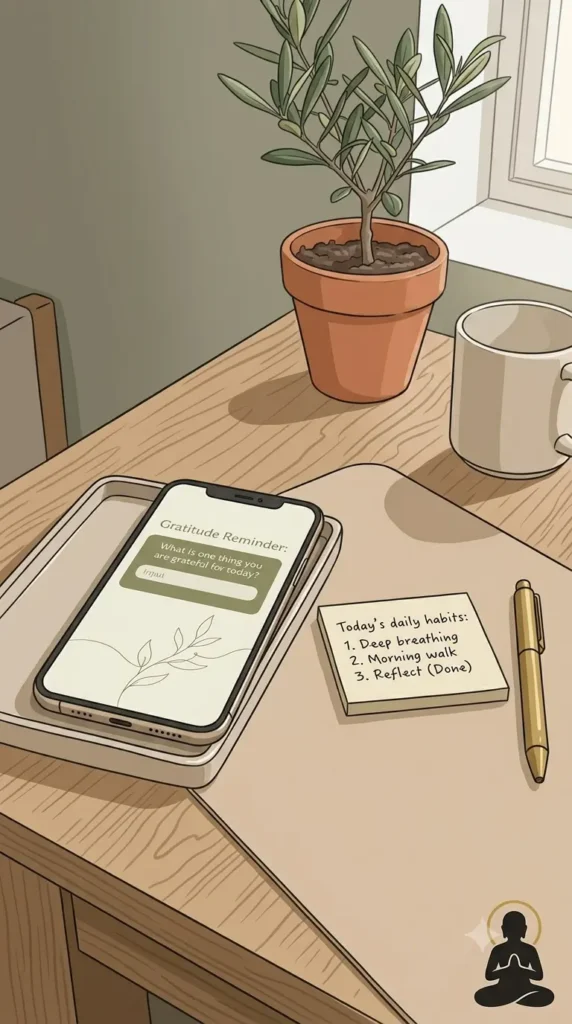
Create Gratitude Reminders
Good habits stick easier when your surroundings do the reminding.
Don’t rely on memory. Build gratitude into things you already check daily.
A few simple ideas:
- Making your phone lock screen a gratitude prompt.
- Setting a recurring evening reminder that asks, “What made you smile today?”
- Adding a sticky note to your laptop.
- Using a home screen widget with a daily gratitude quote.
- Keeping your journal beside your bed instead of inside a drawer.
Small cues. Less effort required. Consistency gets a lot more likely.
End Each Day with Reflection
Five minutes of reflection can change how you remember your whole day.
Skip it, and your brain naturally replays the awkward conversation, the unfinished work, the one mistake. That’s the negativity bias doing its thing.
A few honest questions before bed balance the picture out.
Try these:
- What made me smile today?
- What challenge taught me something?
- Who helped me today?
- What would I thank myself for?
None of this is about ignoring the hard parts. It’s about making sure those parts aren’t the only thing you remember.
Be Thankful of What You Have: learning to appreciate your present life
Use Gratitude Prompts
Some days the words come easy.
Other days your mind goes completely blank.
That’s where gratitude prompts earn their keep. Instead of waiting on inspiration, they hand you a starting point that pushes you toward deeper reflection.
A few worth trying:
- What’s something you often overlook?
- Which conversation made you feel understood recently?
- What’s a challenge that eventually helped you grow?
- What comfort do you enjoy every day without thinking about it?
Over time, prompts reveal patterns. You might notice you keep landing on supportive friendships. Quiet mornings. Creative hobbies. Chances to learn something new.
365 Journal Prompts for Mental Health: year-round reflection prompts
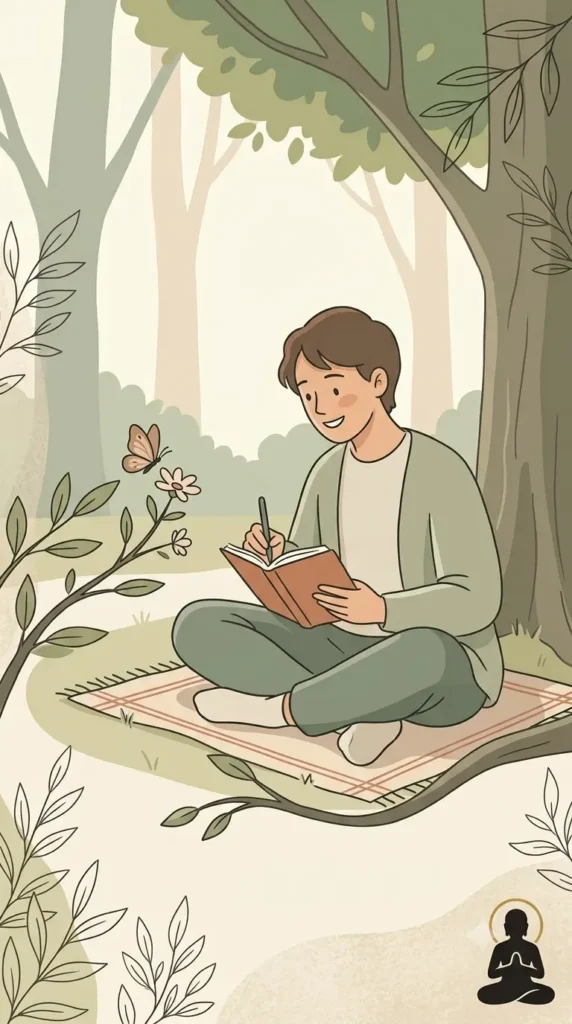
Practice Gratitude Outdoors
Change your surroundings and your perspective often follows.
A short walk through a nearby park. Sitting under a tree between classes. Watching the sky shift color at sunset. All of it slows the constant pull of notifications fighting for your attention.
While you’re out there, try naming five things you appreciate through your senses.
Maybe it’s the cool breeze after a hot afternoon. Birdsong you never noticed before. Fresh rain, warm sun on your face, or just a quiet spot to think.
Nature won’t fix every problem. It usually clears enough mental space to notice what was already there.
Celebrate Progress Instead of Perfection
Plenty of people quietly drop gratitude because they think they’re “doing it wrong.”
Maybe they skipped a few days. Repeated an answer twice. Didn’t feel instantly happier.
None of that means the habit failed.
Gratitude behaves more like fitness than an exam. Miss a workout and months of progress don’t vanish. Miss a day of gratitude and your ability to appreciate your life doesn’t disappear either.
Don’t ask whether you practiced perfectly this week. Ask whether you’re noticing more worth appreciating than you did a month ago.
That’s the better measure. By far.
Need fresh inspiration? Digging into deeper or more unusual gratitude ideas can push you past the obvious answers and keep the practice feeling real.
Deep Things to Be Thankful For: meaningful reflection ideas
Unique Things to Be Thankful For: fresh gratitude ideas beyond the usual
Common Mistakes That Make Gratitude Feel Fake
Gratitude should make you feel more aware. Not more pressured. When your practice turns forced, repetitive, or draining, the problem isn’t gratitude itself. It’s how you’re doing it. These four mistakes are the usual suspects. Spot them early and your practice stays honest.
Forcing Positivity
This isn’t about pretending everything is fine. It never was. You can appreciate a friend who shows up for you. And still feel wrecked about exams, work, or a relationship falling apart. Mental health experts now draw a hard line between real gratitude and toxic positivity, which pushes people to bury hard emotions instead of working through them. Real gratitude holds both. The good and the hard, at the same time. If you’ve ever wondered whether gratitude and anxiety can exist together, the answer is yes. Naming what you’re thankful for doesn’t cancel out what’s stressing you. It just sits next to it.
Repeating the Same Answers
You can thank your family, your health, your closest friends every single day. That’s not the problem. The real issue shows up when you write those same three words without thinking twice. Get specific instead. Skip “I’m grateful for my friends.” Try this: “I’m grateful my roommate checked on me after a rough day.” That one line does more work than a whole page of vague thanks. Struggling for new angles? A list of gratitude examples can help you spot the small stuff you’d otherwise skip.
Treating It Like Homework
Homework has due dates. Gratitude doesn’t need one. The second it feels like another task before bed, you lose the whole point. Missing a day doesn’t erase your progress. It really doesn’t. A loose routine that bends around your actual life beats a rigid one you’ll quit by week two. Some people do better with a short, anxiety-friendly gratitude journaling habit than one long nightly ritual.
Expecting Instant Happiness
Gratitude is a habit. Not a switch. It won’t wipe out anxiety, sadness, or disappointment by tomorrow. What it does, slowly, is train your attention. You start catching the small stuff. Support. Progress. A good laugh you almost missed. Quiet change. But it’s the kind that sticks.
Which Gratitude Practice Fits Your Personality?
There’s no single right way to build a daily gratitude habit. Not even close. The method that sticks is the one that fits how you already think.
Your personality shapes this more than people admit. So does your routine. Even the way you process emotions decides whether a habit lasts past week one.
Start with something that matches your current life. Adjust later.
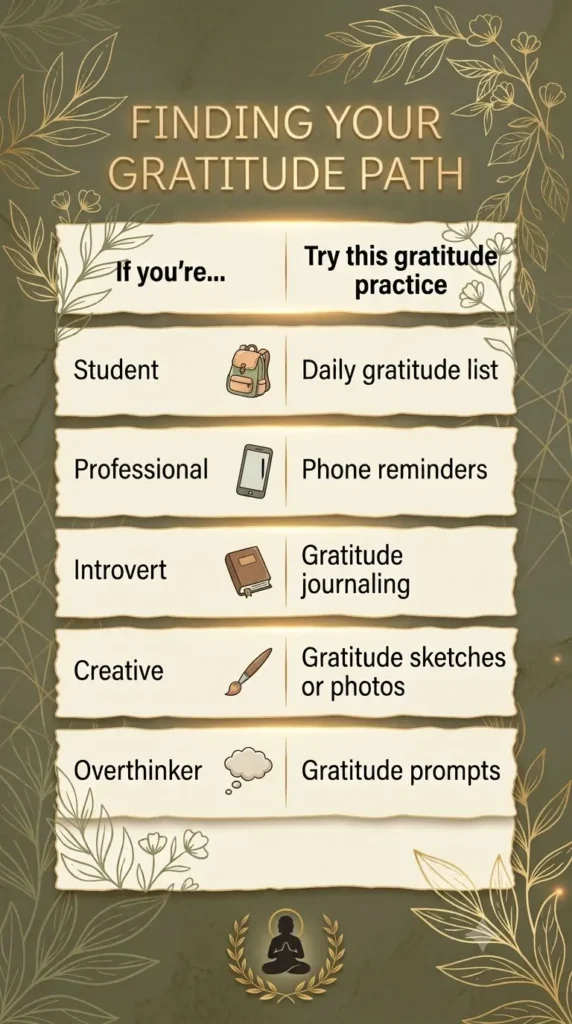
| If you’re… | Try this gratitude practice | Why it works |
|---|---|---|
| Student | Daily gratitude list | Quick, easy, and fits into a busy study schedule. |
| Busy professional | Phone reminders | Builds gratitude into an already packed day. |
| Introvert | Gratitude journaling | Offers space for quiet reflection without pressure. |
| Creative | Gratitude sketches or photos | Turns appreciation into a creative habit. |
| Overthinker | Gratitude prompts | Gives your mind a positive direction instead of endless rumination. |
Students
Classes, deadlines, part-time shifts. There’s barely room to breathe, let alone start a new habit. So keep it stupidly simple.
Write down three things that went well before bed. Or right after your last class. That’s it.
They don’t need to be big. A helpful classmate counts. A finished assignment counts. Even finding your favorite study spot counts. Building your own gratitude list this way takes under two minutes a day.
Busy Professionals
Long workdays eat every spare minute. Adding one more task rarely survives past Tuesday.
So don’t add anything new. Attach the habit to something you already do. Reflect on one good moment during your commute. Or set a phone reminder right before you log off.
Nobody needs a new ritual. They need one that hides inside an old one.
Introverts
Quiet reflection is where introverts recharge. Gratitude journaling fits that rhythm naturally.
Skip the long lists here. Spend a few minutes asking why one moment actually mattered. Depth beats volume every time. If anxiety tends to creep in alongside the reflection, gratitude journaling for anxiety walks through a version built for exactly that.
Creatives
Writing can feel like a chore. Especially the same three lines every night.
So skip the page. Snap a photo of something beautiful. Sketch a small object that brightened your day. Build a digital collage of the week’s good moments.
Sound too loose to count as a real practice? It isn’t. A creative habit stays fresh precisely because it never turns into routine.
Overthinkers
Overthinking pulls your mind toward everything that could go wrong. Gratitude prompts interrupt that pull.
Give your brain a specific question instead of a blank space. Try “What challenge taught me something today?” Or “Who made my day easier?” Structure works better than willpower here.
Over time, this shift makes appreciation feel automatic. Worry loses its favorite parking spot. For more structured options, these gratitude examples give you a full bank of prompts to pull from.
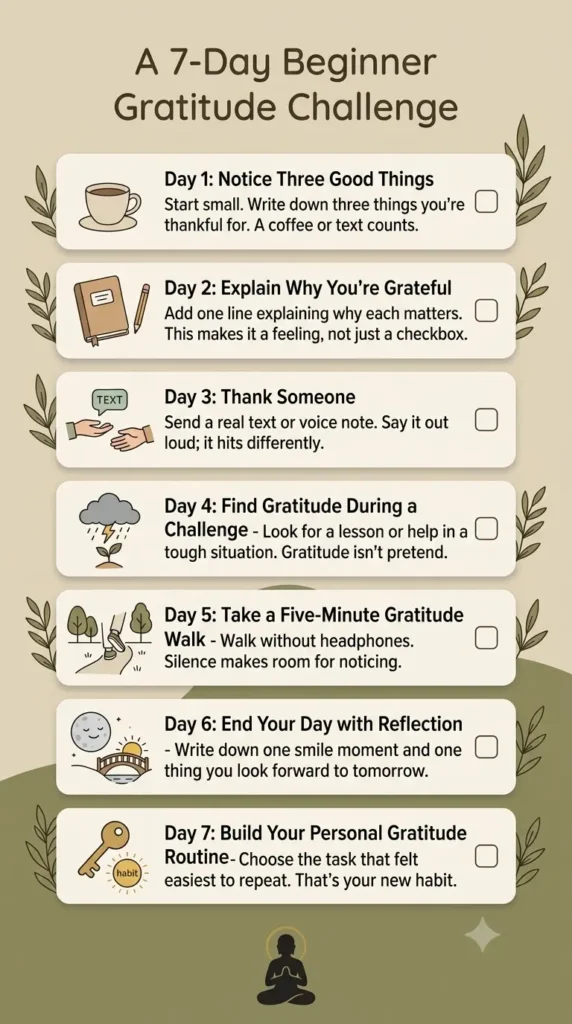
A 7-Day Beginner Gratitude Challenge
Most gratitude advice oversells the overhaul. New journal, new mindset, new you by Monday. That’s not what actually works. A habit sticks because it’s boring, repeated, and small enough that skipping it feels weird. This 7-day beginner gratitude challenge follows that logic. One layer a day. Nothing you’ll quit by Wednesday.
Day 1: Notice Three Good Things
Start stupidly small. Write down three things you’re thankful for today. They don’t need to be big. A good coffee counts. A friend who texted “you good?” counts. Getting through a rough Tuesday counts too. The point isn’t the list itself. It’s training your brain to catch what it usually skips past. Most days are full of small wins nobody notices. This is where you start noticing them. Want a running bank of ideas so you’re never stuck staring at a blank page? Our things to be thankful for list works well for this exact moment.
Day 2: Explain Why You’re Grateful
Don’t just list things anymore. Add one line explaining why each one matters. That’s it. This single shift moves you from autopilot gratitude to something you actually feel. “I’m grateful for coffee” is a checkbox. “I’m grateful for coffee because it’s the five quiet minutes before my day gets loud” is different. It makes you slow down. It makes the habit stick harder. If you’re low on inspiration here, our gratitude examples page has plenty to borrow from and build on.
Day 3: Thank Someone
This one isn’t about your own list. Send a real text, a voice note, whatever feels natural, to someone who made your day better. Keeping gratitude locked in a journal is fine. Saying it out loud hits differently. There’s real research behind this too. Expressed gratitude tends to land harder, for both people, than gratitude you keep to yourself. So don’t overthink the wording. Just send it.
Day 4: Find Gratitude During a Challenge
This isn’t about pretending everything’s fine. Not even close. Pick one hard thing you’re dealing with right now. Then look for a lesson buried in it, or a person who showed up for you, or some small positive sitting quietly next to the mess. Gratitude doesn’t erase the hard part. It just stops the hard part from being the whole picture. If anxiety tends to show up alongside your gratitude practice, this piece on gratitude journaling for anxiety is worth a read, along with our breakdown of whether gratitude and anxiety can coexist.
Day 5: Take a Five-Minute Gratitude Walk
Five minutes. No headphones. That’s the whole ask. Walk somewhere, anywhere, and actually notice what’s around you. Sunlight. Traffic noise. A dog barking three houses down. Trees you’ve walked past a hundred times without seeing. Sound too simple to matter? It is. That’s exactly why it works. Silence makes room for noticing, and noticing is the entire game here.
Day 6: End Your Day with Reflection
Here’s an honest one. Before bed, write down one moment that made you smile today. Then write one thing you’re looking forward to tomorrow. Two sentences, max. This isn’t a diary entry. It’s a bridge between what already happened and what’s still coming. Some nights the smile-moment will feel tiny. A parking spot right up front. A text back from someone you missed. That still counts.
Day 7: Build Your Personal Gratitude Routine
Most challenges end with “now do all seven forever.” That’s a setup to fail. Instead, look back at the past six days and ask which one felt easiest to repeat without forcing it. Keep that one. Drop the rest, at least for now. A single habit you actually stick with beats a five-part routine you abandon by next Tuesday. Consistency wins. It always does.
Downloadable Resource: Staying consistent gets easier with something to check off. Our printable 7-Day Beginner Gratitude Challenge Tracker gives you a box for each day, space for quick notes, and a visual nudge to keep going even on the days you’d rather skip it. Pair it with our gratitude worksheets and gratitude log printable for a fuller daily setup, or start with a ready-made gratitude journal template if you’d rather not build your own layout from scratch.
Morning Gratitude
A grateful morning changes the whole day. Start it sour, and everything after tastes sour too. Start it with morning gratitude, and even a stalled train or a rough commute feels smaller. Here’s an honest take: the trick isn’t complicated. It’s picking one good thing before you check your phone. Write down three things you’re looking forward to. Or just notice the coffee is still hot. That’s the whole practice.
A real grateful morning doesn’t need a journal, an app, or twenty minutes you don’t have. It needs about ninety seconds and a little honesty. If you want a running list of prompts to pull from on the days your brain goes blank, our guide on things to be grateful for daily covers exactly that.
Gratitude Exercises
Open-ended reflection doesn’t work for everyone. Some people sit with a blank page and freeze. That’s where gratitude exercises earn their keep. They give you structure. A prompt. A worksheet. Something to react to instead of stare at. Why does this matter so much for beginners? Because a blank page invites overthinking, and a specific question doesn’t.
Say the prompt is “name one thing that went right today, even something tiny.” That’s concrete. It’s answerable in ten seconds flat. Compare that to “reflect on your blessings,” which sounds nice and helps nobody. If you want something printable to start with tonight, our gratitude worksheets for adults are built around this exact idea. Our complete guide on how to practice gratitude will keep expanding into a full collection of exercises and activities suited to different personalities and goals.
Mindfulness and Gratitude
Mindfulness and gratitude aren’t the same thing, but they lean on each other. Both ask you to slow down. Both ask you to notice what’s actually in front of you instead of what’s next on the list. Rush through a day, and you miss the good parts by default. Slow down, even slightly, and gratitude tends to show up on its own.
This isn’t about meditating for an hour. It’s smaller than that. It’s the ten seconds before a meeting where you actually taste your tea instead of gulping it. That pause is where thankfulness lives. We’ll take a closer look at how these two practices reinforce each other in a future guide, and if anxiety tends to crowd out that stillness for you, our piece on gratitude journaling for anxiety is worth reading alongside this one.
Grateful Affirmations
Affirmations get a bad reputation, and honestly, some of it’s earned. Repeating “I am successful” at a mirror rarely changes much on its own. Gratitude fixes what’s missing. It grounds the statement in something real that already happened, instead of something you’re hoping will.
Pair the two, and you get a practice that holds both ends. One acknowledges what you already have. The other points toward who you’re becoming. Not either-or. Both. In an upcoming guide, we’ll share practical grateful affirmations you can actually use, plus real-world phrasing pulled from our gratitude examples collection, and how the two combine into a sustainable daily approach to how to practice gratitude.
Final Thoughts
Learning how to practice gratitude isn’t about faking a good mood. It’s not about pretending everything’s fine when it isn’t. It’s about training your attention to catch what’s still working, even on a rough Tuesday.
Start small. Pick one habit that fits your actual life, not someone else’s highlight reel. Maybe that’s a few lines in a gratitude journal before bed. Maybe it’s sending someone a message that says what you actually mean. Maybe it’s just pausing for ten seconds in a quiet kitchen.
Sound too small to matter? It isn’t. Small is the point. Big, dramatic gratitude rituals fall apart by week two. The tiny ones stick because they don’t ask much of you.
Over time, these small moves stop being a task on a list. They become how you respond to a bad meeting. A missed bus. A hard conversation. That’s the real shift, and it happens quietly.
If you want to go further, there’s more to work with. Browse through gratitude examples for wording that doesn’t feel stiff, or try a few gratitude worksheets if journaling blank pages feels harder than it should. Build something that fits your routine, your personality, and what you’re actually trying to get out of it.
Frequently Asked Questions
How can I practice gratitude every day?
Attach it to something you already do. Coffee, your commute, the last few minutes before bed. Pause there. Name one thing you actually appreciate. Not something you think you should say. Something real.
Do this for a week and it stops feeling like homework. Daily gratitude works because it rides on a habit that’s already automatic. You’re not adding a task. You’re just noticing what’s already there. That’s the whole shift, and it’s how you cultivate gratitude without forcing it.
What are 5 ways you can practice gratitude?
Five ways: keep a gratitude journal, build a daily gratitude list, thank someone directly, look back at small wins before bed, or take a walk and notice what you usually skip past.
Pick one. Just one. Trying all five at once is how people quit by Thursday. Consistency beats variety here, every time.
How do I start practicing gratitude?
Start small. Don’t wait for something life-changing to show up. Write down three ordinary things instead. A decent meal. A friend who checked in. Five quiet minutes alone.
Do that daily, even for two minutes, and you’ll get further than someone waiting to feel inspired. Waiting doesn’t work. Reps do. If you want a running list of what counts, these everyday things to be thankful for are a decent starting point.
Do grateful affirmations actually work?
Sometimes. Depends on the affirmation. If it sounds like a stranger wrote it, your brain rejects it on contact.
Grateful affirmations land when they’re specific to your own life. Naming your own resilience. Naming a person who actually showed up for you. Generic lines don’t do that. Pair them with journaling and they stick better. Skip the pairing and they fade fast.
What are the six pillars of gratitude?
There’s no single agreed-upon version. Different writers build their own model, and none of them is the official one.
Most overlap somewhere, though. Awareness. Appreciation. Mindfulness. Saying thanks out loud. Generosity. Reflection. Six ideas, roughly the same shape everywhere you look.
The point underneath all of them stays constant: gratitude isn’t a one-off. It’s a habit you keep returning to.

It’s Bhaskar!
Well, I am not a psychologist a monk, or a philosopher by training. I’m just an engineering graduate.
‘The Empty Self’ is where I write about that idea, and what it actually means for ordinary life, anxiety, identity, habits, the stories we tell ourselves about who we are. I don’t have a psychology degree, and I’m not offering therapy or clinical advice. What I do have is thought and clarity, and genuine curiosity about why we suffer the way we do and how much of it might loose once we shed this ‘fixed identity’.