
Most gratitude lists stop at family, friends, health. Those matter. But they’re the surface.
The deep things to be thankful for aren’t things you can hold. They’re the quiet shifts in you. The lessons that left a mark. The people who showed up at the right moment and changed how you see everything after.
That’s the gratitude that sticks. Long after the new phone stops feeling new.
Surface gratitude notices what you have. Deep gratitude notices what it gave you. You might thank your phone for existing. Deeper gratitude thanks the friend who picked up at 1am. Or the patience you built waiting for something to finally work out.
Not the same thing at all.
Looking for the wider list? This piece pairs well with our things to be thankful for, a broader roundup of everyday blessings. Here, we’re slowing down. Going personal. Especially because the teenage years are still being written, day by day.
One more thing worth saying, since nobody says it enough: being thankful doesn’t mean pretending you’re fine. You can love the people around you and still feel lonely some nights. You can be proud of how far you’ve come and still carry anxiety, grief, or a heavy kind of uncertain.
Table of Contents
What Makes Gratitude “Deep” Instead of Surface-Level?
Deep gratitude looks beyond what you have and focuses on how your experiences have shaped who you are. Surface-level gratitude notices possessions or pleasant moments. Deep gratitude notices the growth, resilience, perspective, and relationships that developed because of those experiences. That’s what makes it more lasting, especially during the teenage years when you’re constantly changing.
Surface: ‘Thankful for Your Phone.‘
Deep: ‘Thankful for Who You Became While Waiting for It to Ring Back.‘
Being grateful for your phone isn’t wrong. It’s useful, keeps you connected, and probably holds countless memories. But deep things to be thankful for often have less to do with the object itself and more to do with what happened when it couldn’t solve your problem.
Imagine sending an important message to a friend after an argument. Hours pass. Your phone stays silent. At first, you’re frustrated, checking the screen every few minutes. Yet somewhere in that waiting, you begin reflecting instead of reacting. You learn patience, sit with uncomfortable emotions, and realize your happiness doesn’t have to depend on an immediate reply. When the conversation finally happens, you don’t just appreciate the text—you appreciate the emotional strength you built while waiting for it.

That’s the difference.
Surface gratitude says, “I’m thankful I have a phone.”
On the other hand, deep gratitude says, “I’m thankful this experience taught me resilience, self-awareness, and how to be okay with uncertainty.”
For teenagers, this shift matters because so much of life feels uncertain. Friendships change, grades fluctuate, confidence comes and goes, and plans rarely unfold exactly as expected. Looking for the lesson instead of only the outcome helps you recognize that even difficult moments can quietly shape the person you’re becoming. That’s the kind of gratitude that lasts long after the moment itself has passed.
Why Deep Things to Be Thankful For Matter More in the Teen Years
The teen years shape how you see yourself. They shape how you see other people, too. And your future. Deep things to be thankful for don’t erase hard days. They change how you respond to them. Instead of staring at what’s missing, you start noticing growth. You build the kind of bounce-back that sticks. You find meaning in moments that could’ve just felt like setbacks.
Bouncing Back Beats Comfort Every Time
Comfort makes life easier. That’s not in question. But bouncing back grows somewhere else entirely: in the middle of a hard moment, when you still manage to notice something good. That’s the whole trick. Being thankful trains your mind to spot support, spot progress, spot what’s still possible, without pretending the problem isn’t there. Not the same thing. That distinction matters most during the emotional swings that come standard with being a teenager.
Research backs this up. A review discussed by Psychology Today, drawing on findings from Boggiss et al. (2020), found that gratitude practices are linked to better mental well-being in young people. Lower anxiety. Lower depression, too. The practice doesn’t rewrite your circumstances overnight. It strengthens how teenagers carry them over time.
It Trades Comparison for Self-Recognition
Scrolling through a carefully edited feed is easy. So is glancing at a classmate who seems to have it all figured out. Here’s the catch: comparison keeps your eyes locked on someone else’s story, never your own.
Deep things to be thankful for pull that focus back inward. Instead of asking, “Why am I not there yet?” you start asking, “How far have I already come?” Small shift. Big difference. You begin noticing your own progress, your own strengths, your own values, instead of chasing somebody else’s version of success.
Hard Seasons Become Self-Knowledge, Not Just Something You Survived
Some lessons only click once you’ve lived through them. A bombed exam. A friendship that quietly ended. A goal that didn’t pan out. Each one can eventually uncover strengths you didn’t know you had.
Practicing gratitude at this level doesn’t mean you’re glad the pain happened. Nobody’s asking for that. It means you can recognize the patience it built. Or the empathy. The courage. The wider view. That’s what sticks. Over time, the hard seasons stop being just memories you got through. They become part of who you’re turning into.
30 Deep and Personal Things to Be Thankful For as a Teenager
The deep things to be thankful for rarely announce themselves. They hide in quiet moments. In hard lessons. In people you didn’t expect and parts of yourself still taking shape. Want a wider list first? Check out our 100 Things to Be Thankful For Teenagers before you sit with these more personal ones.
Gratitude for Who You’re Becoming
1. Your Ability to Grow: You’re not who you were a year ago. Not even close. Every awkward conversation, every mistake, every hard week has quietly reshaped how you see things. Growth doesn’t usually look dramatic. Most days it’s just choosing a slightly better response than the one you would’ve picked before.
Reflection: What’s one belief or habit you’ve outgrown in the past year?
2. Your Unique Personality: Comparing yourself to classmates or influencers is easy. Too easy. But the traits that make you different, your humor, your calm, your weird sense of empathy, are usually what people remember about you long after the comparison fades. You don’t need to become someone else. You just need to stop shrinking who you already are.
Reflection: Which part of your personality would you never want to trade for someone else’s?
3. Your Resilience: You’ve probably survived days you thought you couldn’t. A friendship ending. A grade that gutted you. A morning that felt like too much before it even started. Resilience isn’t pretending you’re fine. It’s showing up anyway, even when you’re not.
Reflection: Which difficult moment proved you were stronger than you realized?
4. Your Curiosity: Curiosity is what keeps life from going flat. It’s why you ask the extra question, try the weird hobby, read one more chapter at midnight. That pull to keep learning will open more doors than having every answer ever could.
Reflection: What topic or skill has made you lose track of time recently?
5. Your Dreams: Your goals will change. That’s normal, not a failure. What matters is you still let yourself imagine a future that excites you instead of settling for one that just feels safe. Dreams point the way long before they ever arrive.
Reflection: If fear disappeared for one day, what dream would you take one step toward?
6. Your Values: Your values shape every choice, quietly, in the background. Who you befriend. How you treat people who can’t do anything for you in return. They’re the compass when everything else gets confusing. Protecting them matters more than fitting in ever will.
Reflection: Which value matters most to you, even when it’s hard to live by?
Gratitude for the People Who Shaped You
7. The Adult Who Believed in You Early: One sentence can stick for years. A parent, a coach, a neighbor who said the right thing at the right time. They saw something in you before you could see it yourself. That belief often becomes the floor your own confidence stands on.
Reflection: Who first made you feel capable of more than you believed?
8. The Friend Who Saw the Real You: Not every friendship lasts. But the ones where you felt fully seen leave a mark that doesn’t fade. Someone who understood your quiet moods as well as your loudest laughs? That’s rare. Some people search years for it.
Reflection: Which friend has made you feel safest to be yourself?
9. A Mentor’s Honest Advice: Honest feedback stings sometimes. It’s supposed to. But the people willing to tell you the hard truth, gently, tend to push you further than the ones who only ever say what’s comfortable. Their honesty is a kind of respect most people won’t offer you.
Reflection: What’s one piece of advice you didn’t appreciate at first but value now?
10. A Teacher Who Challenged You: The teachers who expected more from you probably annoyed you at the time. Fair enough. Looking back, many of them were pointing at ability you didn’t know you had. High expectations can be encouragement in disguise.
Reflection: Which teacher changed the way you think about yourself or learning?
11. A Stranger’s Small Kindness: A held door. An unexpected compliment. Someone helping when you clearly looked lost. These tiny moments restore something in you that you didn’t realize was worn down. Kindness doesn’t need familiarity to count.
Reflection: What’s one unexpected act of kindness you’ll probably never forget?
12. Someone Who Chose to Forgive You: Everyone messes up. Being forgiven gives you room to become more than your worst decision. It also teaches you what grace looks like, so you can hand it to someone else later.
Reflection: How did being forgiven change the way you see yourself?
Gratitude for Chances You Didn’t Earn Yet
13. An Education You Didn’t Have to Build Yourself: School might feel exciting some days and exhausting on others. Fair. But access to it opens doors many people around the world are still fighting to reach. Even the boring subjects teach something: patience, focus, sticking with things you don’t love.
Reflection: Which lesson from school has helped you outside the classroom?
14. A Mistake You Learned From Instead of Repeating: Not every mistake leaves a permanent mark. Sometimes life hands you a second shot, and you actually take it. That’s worth noticing. Wisdom usually starts right where embarrassment stops.
Reflection: Which mistake are you quietly grateful happened because of what it taught you?
15. Room to Create: Drawing, writing, code, music, photos, baking, building something with your own hands, it doesn’t matter what form it takes. Having space to make things, even badly, reminds you that your imagination deserves room in your life.
Reflection: What creative activity makes you forget to check your phone?
16. Technology Used with Intention: Technology can pull your attention apart. It can also teach you a language, hand you a new skill, or connect you to people who genuinely get you. The tool isn’t good or bad. How you use it decides that.
Reflection: What’s one way technology has genuinely helped you become a better version of yourself?
17. A New Experience That Scared You First: Almost every memory worth keeping started with a knot in your stomach. Trying out for a team. Speaking in front of a class. Going somewhere unfamiliar alone. Scary first, treasured later. That’s usually the order.
Reflection: Which experience almost scared you away but ended up helping you grow?
18. A Future That Isn’t Written Yet: Where you are right now isn’t your final stop. There are people you haven’t met yet. Places you haven’t seen. Versions of you still waiting to show up. Uncertainty can feel like hope instead of fear, if you let it.
Reflection: What possibility about your future fills you with quiet excitement?
Gratitude for What Hurt and Taught You
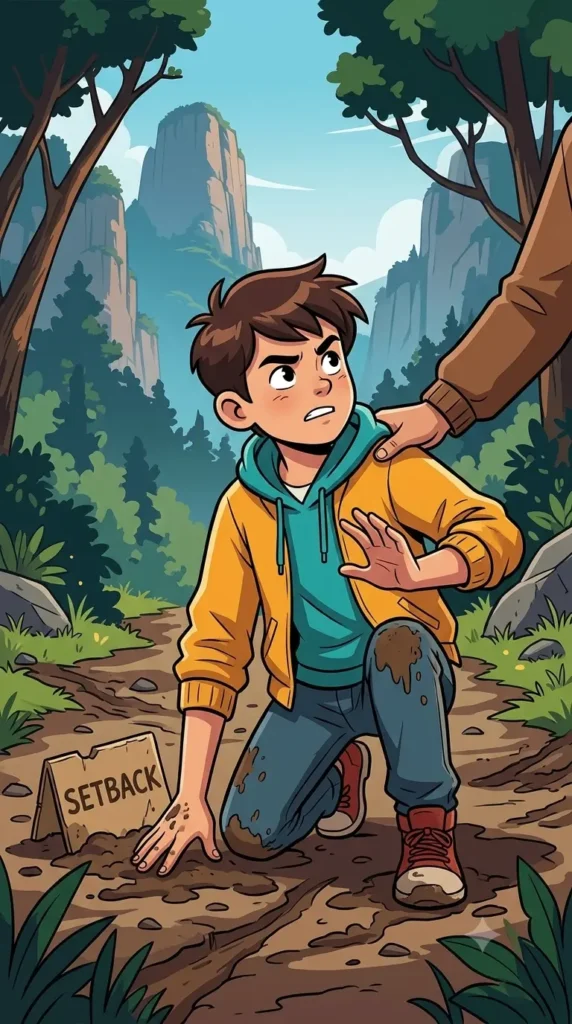
19. A Failure That Changed Your Direction: Failing at something you cared about hurts. It’s supposed to; that’s how you know it mattered. But plenty of failures end up pointing you toward something you never would’ve noticed otherwise. Looking back, they’re usually turning points, not dead ends.
Reflection: Which setback eventually led you somewhere better?
20. A Rejection That Protected You: Not every closed door is a loss. Missing a team, a scholarship, a friendship sometimes clears space for something that actually fits you. Rejection has a strange way of sorting out what belongs in your life and what doesn’t.
Reflection: Which rejection makes more sense to you now than it did then?
21. A Hard Season That Made You Stronger: Hard seasons rarely feel meaningful while you’re stuck inside them. Their value shows up later, once you’ve made it out the other side. They pull out strengths that comfort never bothers to ask for.
Reflection: What difficult season taught you something you couldn’t have learned any other way?
22. Healing That Took Longer Than Expected: Healing isn’t a straight line. Some days you feel completely fine. Then an old memory catches you off guard out of nowhere. Being patient with your own recovery is part of getting healthy, not a sign you’re failing at it.
Reflection: How have you become kinder to yourself during the healing process?
23. Patience You Never Wanted to Learn: Waiting is frustrating. We want certainty, now, always. But patience builds trust and self-control in a way instant results never could. It’s one of those lessons people only appreciate once they’re done learning it.
Reflection: Where has waiting quietly helped you become a stronger person?
24. Growth You Can Only See in Hindsight: Real growth doesn’t announce itself. Most of the time you only notice it looking back, realizing something that used to wreck you barely registers anymore. That’s quiet progress. It still counts.
Reflection: What challenge feels smaller today than it did a year ago?
Gratitude for the Ordinary Minute
25. A Quiet Morning: Before notifications and homework and everyone’s voices fill up the day, there’s usually a short stretch of calm. Five minutes with a warm drink by an open window can be enough. Not everything has to move fast.
Reflection: What part of your morning makes you feel most grounded?
26. Real Laughter: The kind that leaves your stomach sore, the kind that shows up when you least expect it. That’s a different animal from polite laughter. Those moments stick around longer than whatever seemed urgent that same day.
Reflection: When did you last laugh so hard you forgot about everything else?
27. A Moment in Nature: Clouds moving. Rain on a window. Sun after a week of gray skies. Small things, but they interrupt anxious thoughts in a way nothing else quite manages. Slowing down isn’t wasted time. It just feels that way sometimes.
Reflection: Which place outdoors helps your mind feel quieter?
28. A Song That Matched Your Mood Exactly: Sometimes a song says what you can’t quite put into words yourself. One track, at the right moment, can make you feel understood in a way conversation just doesn’t reach.
Reflection: Which song feels like it understands a part of your story?
29. A Small Kindness You Almost Missed: A classmate saving your seat. Someone remembering your name. A sibling handing you a snack without being asked. None of it makes headlines. All of it makes a hard day survivable, if you’re paying attention.
Reflection: Which small act of kindness almost slipped past your attention recently?
30. A Flicker of Hope on a Bad Day: Hope doesn’t need to be loud. Sometimes it’s just believing tomorrow might feel a little lighter than today did. That small, stubborn belief has carried more people through hard seasons than any big gesture ever has.
Reflection: What’s one small reason you can believe tomorrow might be better than today?
How to Actually Practice Deep Gratitude (Not Just Read About It)
Real thanks isn’t built by reading a list. It’s built by paying attention. Scrolling through deep things to be thankful for might lift your mood for five minutes. Then it fades. Lasting thanks comes from looking closer at your own days, not someone else’s list. Small habits, done again and again, help you catch the meaning hiding in ordinary moments. That matters most when thanks doesn’t come easy.
Ask Better Questions Than “What Am I Grateful For”
That question gets stale fast. Same answers, every time. So swap it out. Try this instead: “What hard thing taught me something this week?” Or: “Who made my day easier without even trying?” You could also ask what part of you has changed over the past year. Simple shift. Big difference in what surfaces. These prompts pull your focus away from listing people and stuff. They point you toward growth, toward experience, toward the quieter view where real thanks tends to live.
Keep a Reflection Journal
A journal gives your thoughts a place to land. Without one, they just vanish by bedtime. You don’t need pages. A few honest lines about one moment is plenty. Write it down, and patterns start showing up that you’d otherwise miss completely. Not sure where to start? These journal prompts for mental health are built to spark real reflection, not another box to check.
Go for Meaning Over Quantity
One Specific Thing Beats Ten Vague Ones
A long list isn’t automatically a meaningful one. Often, it’s the opposite. One specific memory hits harder than ten generic lines ever will. Don’t write “I’m grateful for my friends.” Too vague. Think of the friend who stayed on the phone after your worst day. Or the classmate who made space for you when you felt invisible. That’s where the weight is. Thanks lands deeper when it’s tied to something real, because those are the moments that keep shaping how you see your life long after they’re over.
Deep Things to Be Thankful For Don’t Mean Ignoring Hard Feelings
Deep things to be thankful for don’t ask you to fake a good mood. Real gratitude holds joy and pain at once. It lets you appreciate what’s still good without lying about what hurts. That mix is what makes gratitude honest. And sustainable. And actually healthy.
What Healthy Gratitude Actually Looks Like
People assume gratitude means only looking at the positive. It doesn’t. Healthy gratitude just widens the lens. One rough day stops running the whole week. Multiple things can be true at once.
You can be heartbroken over a friendship that ended. And still be thankful for what it taught you. You can be anxious about exams. And still notice a teacher who wants you to actually succeed. Those feelings don’t cancel out. They sit side by side. That’s what deep things to be thankful for actually feel like: honest, not performative.
This kind of gratitude is quieter than the version you scroll past online. It’s not a forced smile. It’s noticing that something good survived the hard part.
If hard emotions keep drowning out the good stuff, gratitude journaling for anxiety can help. Without pretending you’re fine.
Toxic Positivity vs. Gratitude: The Real Difference
Toxic positivity pressures you to bury hard emotions under fake optimism. Gratitude does the opposite. It makes room for what you actually feel. And still points out what’s worth appreciating. Psychology Today calls this dismissal of real feelings, not processing them.
Having a bad day? You don’t need to convince yourself it’s good. Name both truths instead. “I’m disappointed about what happened, and I’m grateful I have someone to talk to.” That shift replaces guilt with honesty.
Can gratitude and anxiety coexist? Yes. This article unpacks why sitting with discomfort often makes gratitude land harder. Not less.
Conclusion
The deep things to be thankful for don’t sit on the surface. They hide inside ordinary moments. Inside hard lessons. Inside the quiet ways you’ve changed without even noticing it.
You’re a teenager. That doesn’t mean you need life figured out to feel real thanks. You just need to look a little closer than what’s obvious.
So skip the perfect list. Start with one honest reflection today. That’s enough.
Want more ideas? Our guide to 100 gratitude ideas for things to be thankful for has plenty more to explore. It’s built to help you keep the habit going. One that shows you who you are now, and who you’re becoming.
Frequently Asked Questions
What is gratitude in 50 words?
Gratitude means noticing the people and moments that give your life weight. It’s more than saying thanks. Real gratitude tracks growth. It builds resilience. And here’s the part most people miss: joy and hard emotions can sit in the same room together.
What are 10 examples of being thankful?
Health matters. So does a family that shows up. Loyal friends count too. Add chances to learn, mistakes that taught you something, a safe place to sleep at night, laughter that caught you off guard, time outdoors, personal growth, and hope for what’s next.
Notice something? None of these are things you can buy. The deepest things to be thankful for are usually experiences, not possessions. They’re the moments that shaped who you became.
What are the 4 A’s of gratitude?
Appreciation. Approval. Admiration. Attention. That’s the short version.
Together, they push you to notice the good around you. To value the people in your life. To spot the strengths in others instead of the flaws. And to stay present enough to catch life’s small, meaningful moments before they pass.
Worth knowing: not every teacher defines these the same way. Some versions swap in different words. The core idea stays the same though.
What are you incredibly grateful for?
That question is personal. No two answers match.
Still, patterns show up. Most people land on relationships where they feel truly seen. Or challenges that forced them to grow, even when growth hurt. Or simply the chance to keep learning, keep changing, keep becoming someone new.
Notice the pattern? The deepest gratitude rarely comes from what you own. It comes from what shaped your character.
How do I find things to be thankful for every day?
Stop looking for the obvious wins. Start noticing what usually slips by. A conversation that stuck with you. A setback that taught you something real. A quiet five minutes where nothing was wrong.
Want more ideas? Check our things to be thankful for – complete list of 100 gratitude ideas, packed with everyday and deep things to be thankful for that can help you build a gratitude habit that actually lasts.

It’s Bhaskar!
Well, I am not a psychologist a monk, or a philosopher by training. I’m just an engineering graduate.
‘The Empty Self’ is where I write about that idea, and what it actually means for ordinary life, anxiety, identity, habits, the stories we tell ourselves about who we are. I don’t have a psychology degree, and I’m not offering therapy or clinical advice. What I do have is thought and clarity, and genuine curiosity about why we suffer the way we do and how much of it might loose once we shed this ‘fixed identity’.