

Pain makes the body brace before the mind even catches up. Fists clench. Shoulders climb toward the ears. Jaw locks tight. That’s resistance showing up physically, before you’ve even decided to fight back. Willing Hands & Half Smile is a DBT acceptance skill built around that exact reflex. It uses your body, not your thoughts, to lower resistance toward something painful you can’t change right now.
Here’s what it actually looks like. You open your hands instead of clenching them. You soften your face into a small, loose half smile. Nothing forced. Your attention stays on what’s actually happening in front of you, not on the story your mind is building about how things should be different.
This isn’t about faking happy. Not even close. Nobody is asking you to approve of something painful or pretend it doesn’t sting. The skill just gives you a physical way to practice willingness when your mind keeps arguing with reality.
Sound strange? It is, at first. A loosened hand won’t erase the pain underneath it. But it stops you from fighting two battles at once: the real one, and the extra one your own body adds on top through tension. The approach itself traces back to Marsha Linehan’s acceptance-based DBT work, documented through the Linehan Institute.
Quick Overview: Willing Hands and Half Smile are DBT acceptance skills. They pair a relaxed hand posture and a gentle half smile with willingness toward reality. They help you stop fighting an unchangeable moment, without pretending painful circumstances are fine.
Table of Contents
Disclaimer
This blog is written and edited with the help of AI, then reviewed by me before publishing. As a result, the content is for general reflection only, not therapy or medical advice, and I’m not a licensed mental health professional. If you’re in crisis, please contact 988 if you’re in US or a local crisis service of your country instead of relying on this site.
What Are Willing Hands and Half Smile in DBT?
Your body argues with reality before your mind does. Willing Hands and Half Smile are DBT acceptance skills that use a relaxed face and open hands to practice willingness. Not approval. Just willingness.
They work best the moment you catch yourself fighting something that already happened, or something you can’t change right now. You’ll find both skills grouped with the other DBT skills worksheets under acceptance and distress tolerance, not under emotion regulation. That placement matters. These aren’t mood fixes.
What Is the DBT Half Smile?
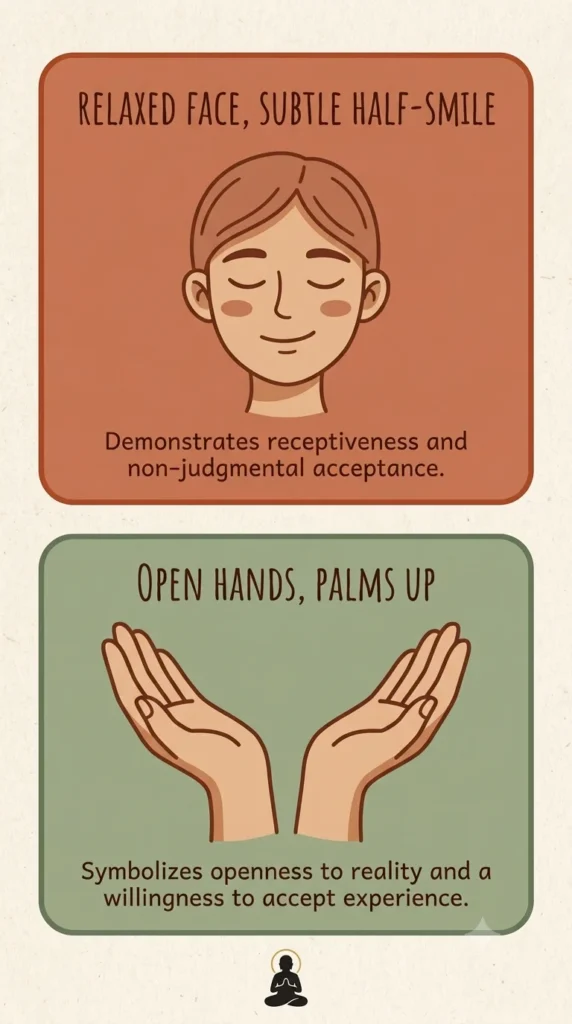
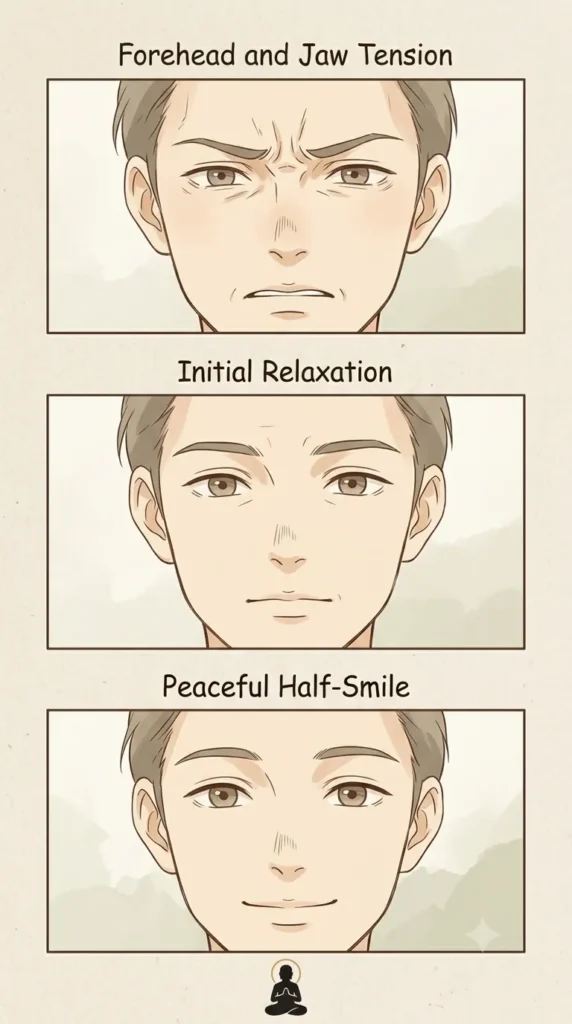
This isn’t about looking happy. Not even close. The DBT Half Smile is a gentle facial posture that signals acceptance to your own nervous system. You drop the tension in your forehead first. Then your eyes, your jaw, your tongue. Once that’s loose, the corners of your mouth lift just slightly.
Barely visible is the goal. Think relaxed, not cheerful. A wide grin defeats the purpose here, because you’re not performing positivity. You’re not hiding sadness or anger or disappointment either. The feeling stays exactly where it is. What changes is your physical response to it. That’s the whole shift.
What Are Willing Hands?
Willing Hands works the same angle from a different part of the body. You unclench your fingers. You turn your palms up. Your arms and shoulders go loose instead of guarded, instead of braced for a fight that isn’t there.
Picture it this way: you’re sitting down, hands resting on your lap, palms open to the ceiling. Standing works too. So does lying down. The posture itself says something your words can’t. It says you’ve stopped bracing against what’s already true.
Why Are These Two Skills Taught Together?
A clenched jaw and a clenched fist come from the same place. Resistance shows up in the body before you’ve even named it in your head. So DBT pairs Half Smile and Willing Hands on purpose, because loosening both gives you two separate entry points into the same shift.
Why does this work when white-knuckling through a feeling doesn’t? Because you’re not trying to think your way into acceptance. You’re handing your body a different job.
These skills sit inside the same toolkit as other coping skills worksheets and pair well with the kind of tracking you’d do on an emotions worksheet, especially on days when naming the feeling is easier than sitting with it.
One thing worth repeating: this isn’t pretending everything is fine. It isn’t agreeing that something painful was okay. It’s making room for reality as it stands, particularly on the days you can’t change it yet. For a deeper look at how DBT frames willingness as a skill (not a feeling), DBT Self Help’s guide to Half Smile and Willingness is a solid companion read.
How Willing Hands and Half Smile Support Acceptance
Willing Hands and Half Smile change your body first. That’s the whole idea behind these two DBT acceptance skills. They won’t erase a hard feeling. They won’t make a painful moment okay. What they do is simpler. They give your body a stance that makes willingness easier to practice, even when everything in you wants to fight.
Clench Your Jaw and Your Whole Body Says No
Your body talks to your mind constantly, and the conversation runs both ways. Clench your jaw. Tighten your shoulders. Curl your hands into fists. Each one is your body refusing the moment. That tension doesn’t stay quiet either. It keeps your attention locked on the problem, replaying it, defending against it.
Half Smile and Willing Hands work the other way. Relax the muscles in your face. Open your hands instead of fisting them. You’re giving your body a new instruction: I don’t have to fight this right now. Sound too small to matter? It isn’t. The goal was never forced calm. It’s interrupting the habit of bracing against reality long enough to choose something better.
This Isn’t About Forcing Yourself to Feel Fine
Willingness, in DBT terms, means responding to reality as it actually is. You do what the moment needs, even when you hate what’s happening. Willfulness is the opposite. It digs in. It fights. It insists things change before you’ll respond at all. Willingness dbt practice starts right there, in that fork between fighting and responding.
Picture a batter stepping into a batting cage. You can’t control where every pitch comes from. But you choose whether to stand ready and swing, or refuse to play because the ball wasn’t what you wanted. That’s the posture half smile willing hands trains into you. I’m willing to be here. I’m willing to respond.
Acceptance and Approval Are Not the Same Thing
Acceptance means admitting reality exists. It doesn’t mean you like it. It doesn’t mean you approve of it. It doesn’t mean something harmful was fine. You can accept a rejection happened. You can accept plans fell apart. You can accept an argument took place, without agreeing any of it was fair.
That distinction carries weight. Acceptance ends the fight with a fact that already happened, a fact you can’t change right now. Stop arguing with reality and something shifts. You get your energy back. That energy goes toward deciding what’s next.
If you want to practice these dbt acceptance skills alongside the rest of your toolkit, our full DBT skills worksheets walk through Half Smile, Willing Hands, and the other distress tolerance and acceptance exercises in one place.
Pair them with our coping skills worksheets for the moments willingness alone doesn’t cover, or use our emotions worksheet to name what you’re resisting before you try to soften your grip on it.
How to Practice the DBT Half Smile
The DBT half smile is a quiet facial shift used in acceptance practice, one piece of the broader DBT skills worksheets toolkit built around willingness. It’s not a forced grin. Not a fake-it-till-you-make-it thing either. The goal is simple: soften the tension in your face and let the corners of your mouth rise, just slightly.
Practiced with real willingness, it does something strange. You start noticing resistance instead of fighting it. No extra tension stacked on top.
The 5-Step Half Smile
- Relax your forehead and eyes. Let the muscles around your eyebrows soften on their own. Don’t force a new expression. Just release what’s already tight.
- Release your jaw and tongue. Unclench your teeth. Loosen the jaw. Let your tongue rest instead of pressing against your teeth.
- Let your face go neutral. Take one slow breath. Notice where you’re holding tension, in your cheeks, your lips, the corners of your mouth.
- Gently lift the corners of your mouth. Keep it small. The smallest movement that still feels natural. You should notice it without it turning into an actual smile.
- Stay with it and observe. Hold the half smile for a short stretch. Watch your thoughts. Watch your body. Don’t try to feel better. Just watch.
This is the same muscle memory behind other grounding coping skills, where the body leads and the mind follows. You can check out and practice them in the coping skills worksheets.
A Short Half-Smile Practice Exercise
Pick something mildly annoying that’s happening right now. An unanswered text. A delay you can’t control. Something small enough to practice on, not something that guts you.
Sit comfortably. Notice what your face is already doing. Relax your forehead, your eyes, your jaw, your mouth. Then form the half smile, gently.
Breathe normally. Ask yourself one question: can I let this moment be exactly what it is, just for now?
You don’t have to like it. You don’t need the feeling to disappear. Just notice what shifts when you stop fighting the moment with your own face. That’s willingness dbt in its simplest form, not resignation, not forced positivity. Just less resistance.
If this practice connects with how you process difficult feelings more broadly, the emotions worksheet is a useful next stop.
How to Practice Willing Hands (& Where Half Smile Fits In)
Clenched fists don’t change reality. They just make the moment harder to sit with.
Willing Hands is a DBT distress tolerance skill built around one idea: your body can either fight reality or meet it. This skill, often paired with Half Smile in DBT skills worksheets, uses an open, relaxed hand posture to support willingness during hard moments. Instead of crossing your arms or bracing against what’s happening, you soften on purpose. You make room for reality, even when you don’t like it.
That’s the whole mechanism. Nothing mystical about it.
The 5-Step Willing Hands Sequence
This isn’t about faking calm. It’s a physical shift that signals something to your nervous system: you can stop fighting now.
Here’s how the sequence works, step by step.
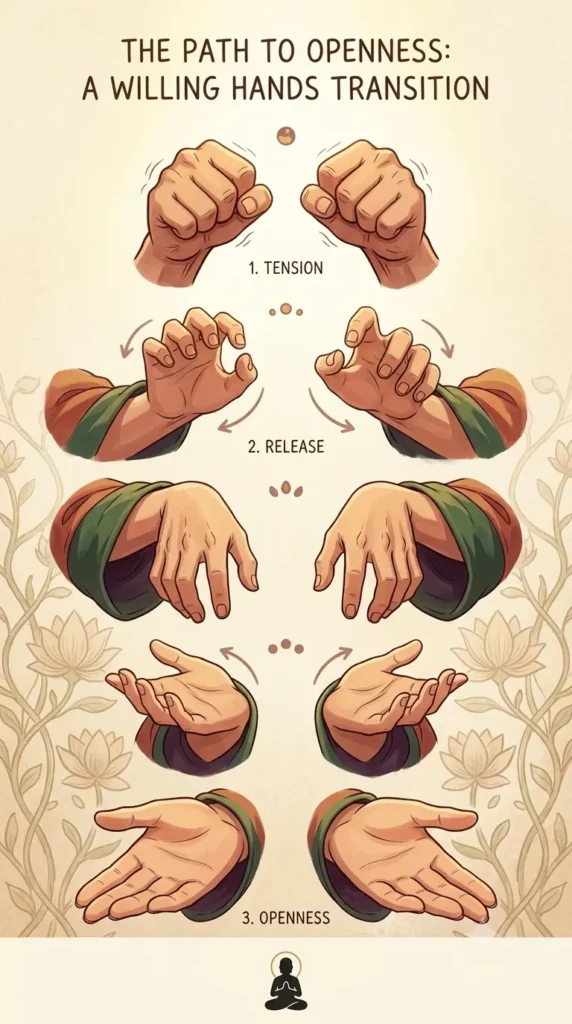
1. Notice your hands and shoulders
Before you change anything, just notice. Are your hands clenched? Are your arms crossed? Are your shoulders pulled up toward your ears? You don’t need to fix it right away. Noticing comes first.
2. Unclench your hands
Slowly release your fists. Let your fingers loosen on their own. The goal is soft, not rigid. Not deliberately tense either.
3. Turn your palms upward
Rest your hands on your lap, your thighs, or any surface nearby. Palms face up. Standing instead? Let your arms hang loose at your sides, palms open. Simple as that.
4. Release the rest of your posture
Drop your shoulders. Loosen your arms. Uncross your legs if they’re tightly folded. You’re aiming for open, not perfectly posed. Nobody’s grading your form here.
5. Stay with the moment
Hold the posture. Notice what you’re resisting underneath it. You might silently say, “This is what is happening right now.” That’s not agreement. You’re not saying you like it. You’re practicing willingness to feel it without stacking physical resistance on top.
A Short Willing Hands Practice Exercise
Don’t start with your worst moment. Pick something mildly annoying instead. A slow line. A delayed reply. Traffic.
Sit comfortably. Run the five steps for about a minute. Check your hands, your jaw, your shoulders, and your breathing before you start and again once you finish. Small shifts count.
Then ask yourself one question: What am I willing to allow right now, even if I don’t like it?
The answer doesn’t need to be profound. “I’m willing to sit with this uncertainty for a few minutes” is enough. That’s the whole point of the exercise. Willing Hands doesn’t ask you to approve of the situation. It doesn’t make the discomfort vanish either. It just gives your body a different position to meet it from.
Pair this with radical acceptance work and the shift goes deeper. Willing Hands handles the body. Acceptance handles the thought underneath it. Together, they’re two sides of the same skill.
Want more distress tolerance tools that work the same way? See the full guides on DBT TIPP skill, DBT ACCEPTS skill, and DBT STOP skill. Need help naming what you’re resisting in the first place? Start with an emotions worksheet before you try the posture.
Half Smile and Willing Hands: A Combined DBT Practice
Willing Hands and Half Smile work as a pair. Face, hands, and willingness share one exercise instead of three. You’re not faking happy here. The goal is softer resistance, not a performance.
This pairing sits inside the broader DBT distress tolerance toolkit, right alongside STOP and TIPP. Same family, different job. This one works on your body first.
A 2-Minute Practice
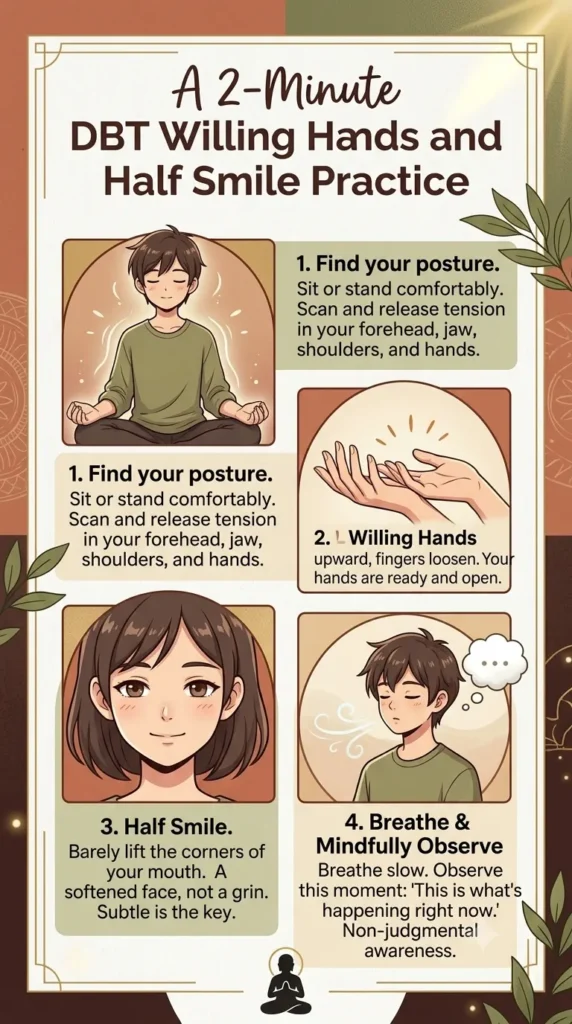
Sit or stand. Whatever’s easier right now. First, scan your body for tension. Forehead, jaw, shoulders, hands. Let each one drop.
Let your palms turn upward. Fingers loosen. That’s willing hands already starting, and you haven’t even gotten to the smile yet.
Next, lift the corners of your mouth. Barely. This isn’t a grin. Think softened face, not performed joy. Subtle is the whole point.
Breathe slow. A few rounds is enough. Silently name what’s happening: this is what’s happening right now. You don’t have to like it. Not in these two minutes.
A 5-Minute Acceptance Practice
Want more time in it? Start by naming the situation you keep resisting. Then ask yourself one question: what part of this am I actually fighting?
Hold that question while you practice willing hands and half smile together. This is one of the more direct DBT acceptance skills you can run through almost anywhere, no equipment, no setup. Thoughts like this shouldn’t be happening will show up. Or I can’t deal with this. Don’t argue back.
Let the situation sit there. Just for a few minutes. Nothing needs fixing yet.
Finish with one more question: given that this is happening, what’s an effective next step?
The structure mirrors radical acceptance and turning the mind, another distress tolerance skill built around dropping the fight against reality instead of winning it.
What to Notice Before and After
Don’t judge this by whether calm shows up on command. It might not. Compare your body instead. Jaw. Clenched hands. Shoulders. Face. Breathing. The urge to fight or bolt.
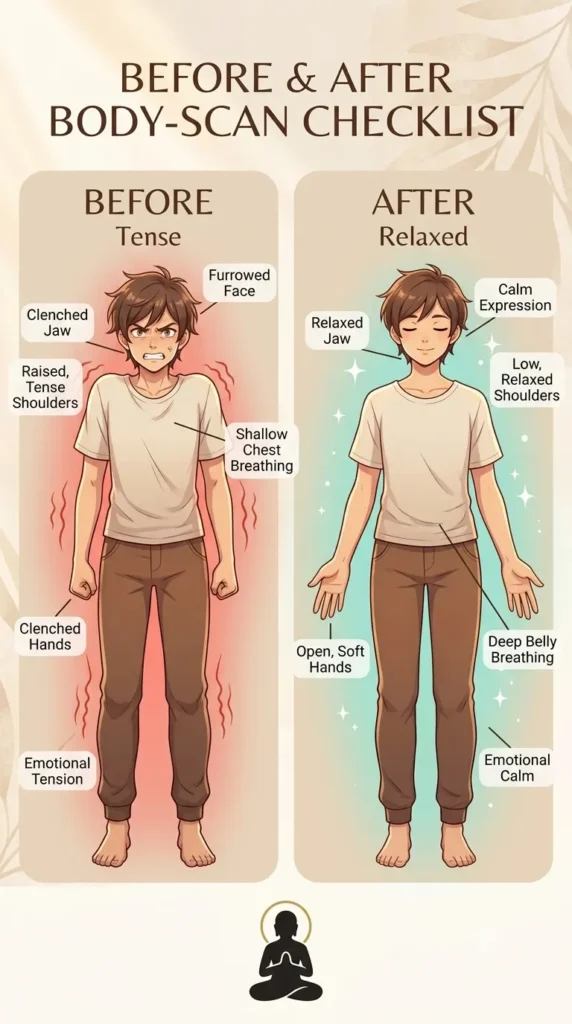
Small shifts count here. A looser jaw counts. One slower breath counts. You’re not grading yourself on a curve.
If Emotional Intensity Doesn’t Change
DBT skills don’t come with a guarantee to erase a feeling on command. Nothing does. That’s not failure.
Sometimes the real change is quieter. You might still feel angry, sad, or anxious, and still end up slightly more willing to sit with the moment. No extra layer of resistance stacked on top. That’s the shift worth noticing, even when it’s small.
Pair this with self-soothe or ACCEPTS on days when half smile alone isn’t enough, or browse the full DBT skills worksheets library for the rest of the distress tolerance set.
When Should You Use Half Smile and Willing Hands?
Willing Hands & Half Smile work best in one specific window: reality has already changed, and your body hasn’t caught up yet. Your jaw is tight. Your fists are closed. The fact itself won’t budge no matter how hard you push against it.
These two DBT acceptance skills exist for that exact gap, the space between what happened and what you’re willing to let be true. Practicing willingness here isn’t the same as deciding what to do next. That decision can wait.
Situations Where This Skill Helps
Not every hard moment calls for half smiling and willing hands. Some do. Here’s how to tell the difference, and a few scenes where the posture actually earns its place.
Disappointment is a common entry point. A plan falls through. An answer arrives, and it’s not the one you wanted. Something you were counting on quietly stops happening. The facts are already set. Nothing about clenching your hands changes them.
Sometimes you’re just stuck fighting a fact that already happened. “This shouldn’t be happening” loops through your head on repeat. It might even be true. The situation occurred anyway. Willing hands won’t argue the point, it just stops adding a second fight on top of the first one.
Waiting is its own category. A decision, a message, a test result, an appointment, something you can’t speed up no matter how much you want to. That waiting period is exactly where this skill earns its keep.
Conflict leaves marks on the body before it leaves marks anywhere else. Fists clenched. Jaw tight. Arms crossed while the argument replays for the fifth time. Opening your hands and softening your face gives you something concrete to do with that tension, a physical move instead of another lap around the same thought.
Painful emotions don’t always need fixing. Grief shows up. So does anger, sadness, anxiety. None of them require an immediate action plan. Sometimes the useful response is to let the feeling exist without adding a battle on top of it.
Watch for the moment resistance becomes the bigger problem. The situation stops being the only thing draining you. The exhausting part becomes the internal war against the fact that it happened at all. That shift is worth noticing on its own.
One thing this posture is not for: pretending everything’s fine. Nobody’s asking you to perform happiness over a situation that genuinely hurts. You’re practicing something narrower.
Something closer to, “I don’t like this, but I’m willing to let it be here while I work out what, if anything, comes next.” That’s the whole shift. Nothing more complicated than that.
Pairing the posture with a short written check-in can make the practice stick. Naming what you’re feeling first, through something like an emotions worksheet, often makes the willingness easier to locate. For longer reflection afterward, these journal prompts for mental health give the moment somewhere to land once the posture itself has done its job.
When Half Smile and Willing Hands May Not Be the Right Response
Half Smile and Willing Hands help when you’re practicing acceptance of something you can’t change right now. That’s the whole job. They’re not a command to stop caring, bury your feelings, or nod along like every situation is fine. Sometimes the smarter DBT move is to accept reality, then act on whatever part of it can actually change.
Don’t Use Acceptance to Bypass a Solvable Problem
Acceptance turns unhelpful the second it slides into resignation. If your problem has a real fix, accepting the situation doesn’t mean sitting back and doing nothing about it.
Say your roommate keeps borrowing your things without asking. You can say, “This is happening, and I don’t like it.” No pretending it’s fine. From there, set a boundary. Have the direct conversation. Decide what happens if the behavior doesn’t stop.
Anger and grief work the same way. You don’t owe anyone a smile when an emotion is telling you something matters. Naming what you actually feel, rather than skipping past it, is exactly what an emotions worksheet is built for. Acceptance makes room for the feeling. It doesn’t erase it.
Acceptance Is Not Approval of Harmful Behavior
As covered earlier, DBT acceptance means acknowledging reality as it stands right now. Nothing more. It does not mean approving, excusing, or agreeing with harmful behavior.
Acceptance First, Effective Action Second
Once you stop fighting the fact that something is happening, a better question opens up: what can I do about it now?
This is where Half Smile and Willing Hands become a starting point, not the whole plan. Use the skills to soften physical resistance. Acknowledge the reality in front of you. Then pick an effective response. Set a boundary. Ask for help. Leave an unsafe situation.
Work through the practical problem with something like these coping skills worksheets. Or simply wait, when there’s genuinely nothing to change yet. DBT’s acceptance skills were never about passive endurance. They’re about ending the argument with reality long enough to decide what actually needs to happen next.
Willing Hands & Half Smile Worksheet
This worksheet turns Willing Hands & Half Smile into something you can actually do, not just read about. You won’t just copy a posture. You’ll name what you’re resisting, practice the physical moves, notice what shifts, and decide what comes next.
Here’s the thing about acceptance skills: they sound passive until you try them. They’re not. Half smile and willing hands ask your body to go first, before your mind agrees to anything.
- What Happened?: Describe the situation in a few sentences. Stick to facts. Not “they were being unfair,” but “they said no.” The judgments can wait.
- What Reality Am I Resisting?: Name the part you’re fighting internally. “They said no.” “My plans changed.” “I can’t undo what already happened.” Write it plainly.
- What Can I Change?: List what’s actually in your control. What you say next. What you do next. Whether you ask for help. If you’re not sure where to start, our coping skills worksheets walk through this same question from a few different angles.
- What Can’t I Change Right Now?: Name the part of reality that won’t move, no matter how hard you push. This is where acceptance actually earns its keep.
- What Does My Body Feel Like? Check your jaw. Your forehead. Shoulders, hands, chest, stomach. Note any clenching, tightness, or restlessness. Tension always shows up somewhere first. For a closer look at how emotions settle into the body, the emotions worksheet is worth pairing with this one.
- Practice the Half Smile: Relax your face. Let the corners of your mouth lift, just slightly. This isn’t about looking happy. It’s a signal, not a performance.
- Practice Willing Hands: Unclench your fists. Open your fingers. Turn your palms up. Let your arms and shoulders drop out of the defensive posture they’ve been holding.
- What Did I Notice?: Record any shift, in tension, in intensity, in your thoughts, in how hard you’re still resisting. Nothing has to change dramatically. Even a small shift counts.
- What Am I Willing to Accept Right Now?: Finish this sentence: “For this moment, I am willing to allow…” Keep it specific. Keep it real. Not forever, just right now.
- What Is My Next Effective Action?: Acceptance isn’t the same as doing nothing. Write down one useful action you can take once you’ve acknowledged what’s actually true.
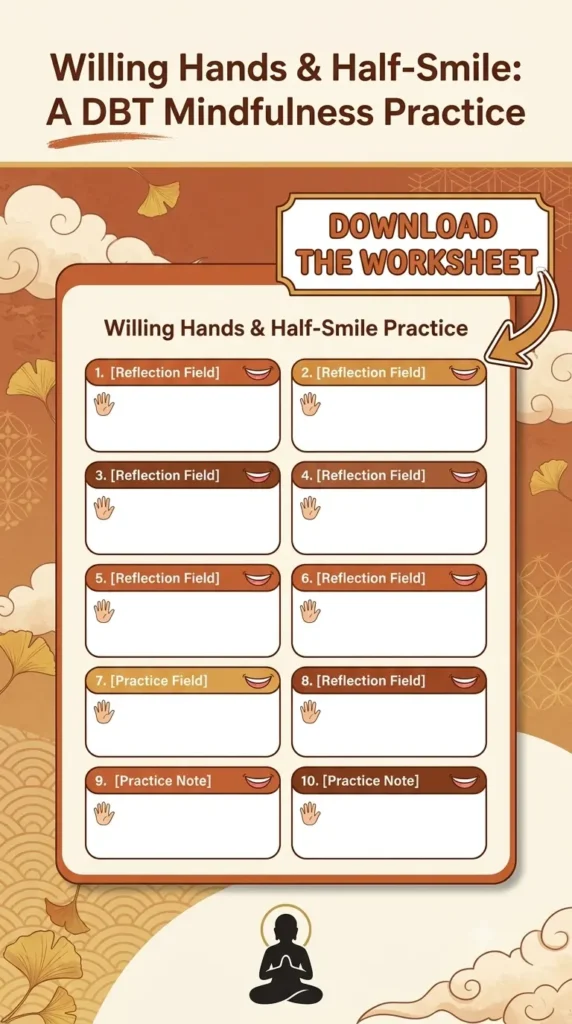
Want more tools like this one? Our full collection of DBT skills worksheets covers distress tolerance, emotion regulation, and acceptance practices you can print and use right away.
Common Half Smile and Willing Hands Mistakes
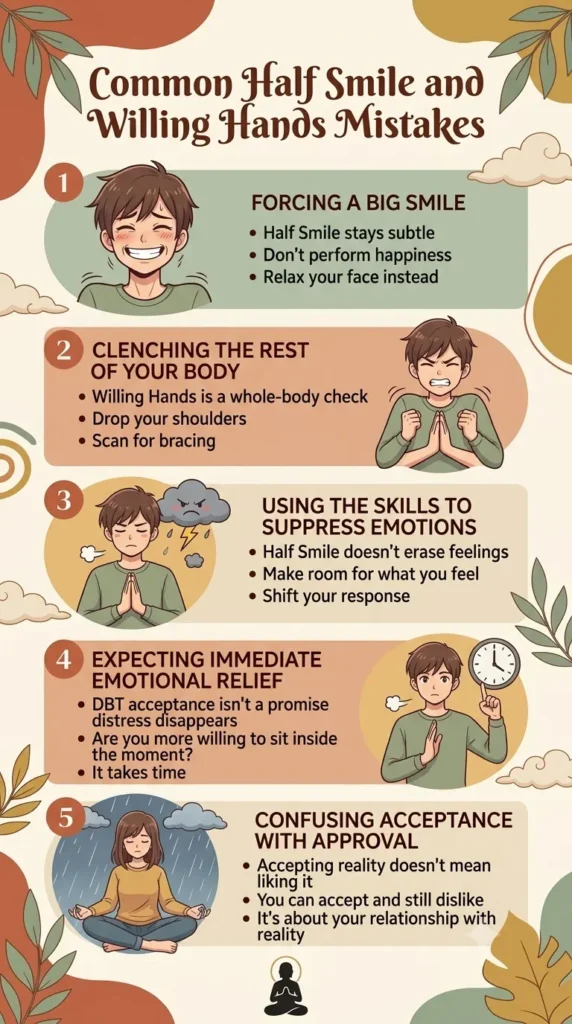
Half Smile and Willing Hands look easy on paper. They aren’t. Small habits sneak in and pull the whole practice away from real dbt acceptance skills. The goal was never a cheerful face. It wasn’t a calm body either. It’s a more willing stance toward whatever is actually happening, nothing more polished than that.
Here’s where most people go wrong.
Forcing a Big Smile
A Half Smile stays subtle. Turn it into a full grin and the exercise starts feeling fake. That’s especially true mid-grief, mid-anger, mid-fear. You’re not performing happiness for an audience.
Nobody is asking you to convince yourself everything’s fine. That’s not the job.
Relax your face instead. Let the corners of your mouth lift just slightly. Soft, not thrilled. Loose, not beaming. If your jaw aches afterward, you went too far.
Clenching the Rest of Your Body
Relaxed hands mean nothing if your shoulders are up by your ears. Or your jaw is locked tight. Or your fists keep drifting back into a clench without you noticing.
Willing Hands isn’t a hand exercise. It’s a whole-body check. Drop your shoulders. Loosen your fingers. Scan for where you’re bracing, because willing hands dbt practice only works when the bracing actually lets go. Most people find it in their jaw first.
Using the Skills to Suppress Emotions
Half Smile and Willing Hands don’t erase feelings. That was never their job. You can run both skills while still furious, still scared, still wrecked by sadness underneath.
Trying to make an emotion vanish turns an acceptance tool into resistance wearing a disguise. Sneaky, but it happens constantly. The real aim is making room for what you feel while shifting your response to the moment around it.
Pairing this with a structured emotions worksheet helps. Naming the feeling first keeps you from accidentally trying to talk yourself out of it.
Expecting Immediate Emotional Relief
Sometimes the intensity drops right after practicing. Sometimes it just sits there, unmoved. Neither outcome means you did it wrong.
DBT acceptance skills were never a promise that distress disappears on command. That’s not the bar. A better question: did you get even slightly more willing to sit inside the moment as it actually is?
For a structured walkthrough you can print and track against, Choosing Therapy’s Half Smiling and Willing Hands worksheet breaks the practice into steps worth comparing your own attempts to.
Confusing Acceptance With Approval
Accepting reality doesn’t mean liking it. It doesn’t mean agreeing it was fair. You can accept that something happened and still dislike every part of it while deciding exactly what needs to change next.
That line matters. Acceptance describes your relationship with reality. It doesn’t ask for your approval of it.
DBT Self Help’s piece on willingness and the half smile covers this same distinction in more depth, if you want a second explanation of where the line sits.
Want the full practice library this sits inside? The DBT skills worksheets guide covers Willing Hands and Half Smile alongside the rest of the distress tolerance toolkit, including coping skills worksheets you can pair with it for broader practice.
What If Half Smile or Willing Hands Feels Fake?
Half Smile and Willing Hands can feel awkward at first. Forced, even irritating. That doesn’t mean you’re doing them wrong. The point was never to manufacture happiness. It’s to practice a more willing response to a hard moment.
“I Don’t Feel Like Smiling”
You don’t need to feel happy before you try a DBT half smile. In fact, the skill matters most when your first instinct is to tense your jaw or brace against what’s happening. Keep the expression small. Relaxed. Not a cheerful grin you’re forcing onto your face.
If smiling feels completely wrong for the moment, stop focusing on how it looks. Focus on releasing the tension instead. The half smile is a physical cue. Not a demand to enjoy what’s in front of you.
“I Still Feel Angry”
That’s fine. Willing Hands and the half smile were never built to erase anger on command.
You can be angry and still practice willingness. Say you just got an unfair rejection. You notice the anger. You relax your hands, turn your palms up, and admit something simple: this happened, you don’t like it, and fighting the fact of it won’t change it.
The goal is to loosen the struggle with reality. Not silence the emotion.
“I Feel Silly Doing This”
Feeling self-conscious is normal when a body-based skill is new to you. You don’t have to perform it for anyone. Try Willing Hands alone, sitting on your bed or at your desk. Or use the quiet version, hands resting loosely in your lap where nobody would even notice.
With repetition, it stops feeling like an exercise. It starts feeling like a deliberate reminder to stop bracing against the moment.
“Nothing Seems to Change”
Don’t judge the skill only by whether your emotional intensity drops right away. Sometimes the shift is smaller than that. Your shoulders loosen. Your fists unclench. You get slightly less caught up in “this shouldn’t be happening.”
If the emotion is still there, ask the more useful question instead: can I be willing to experience this moment as it is, and then decide what I can actually do about it?
For a complete walkthrough of this and other acceptance techniques, see the full DBT skills and worksheets guide. Pair these exercises with an emotions worksheet to track what shifts, or browse more coping skills worksheets for related practices.
Half Smile and Willing Hands vs. Other DBT Acceptance Skills
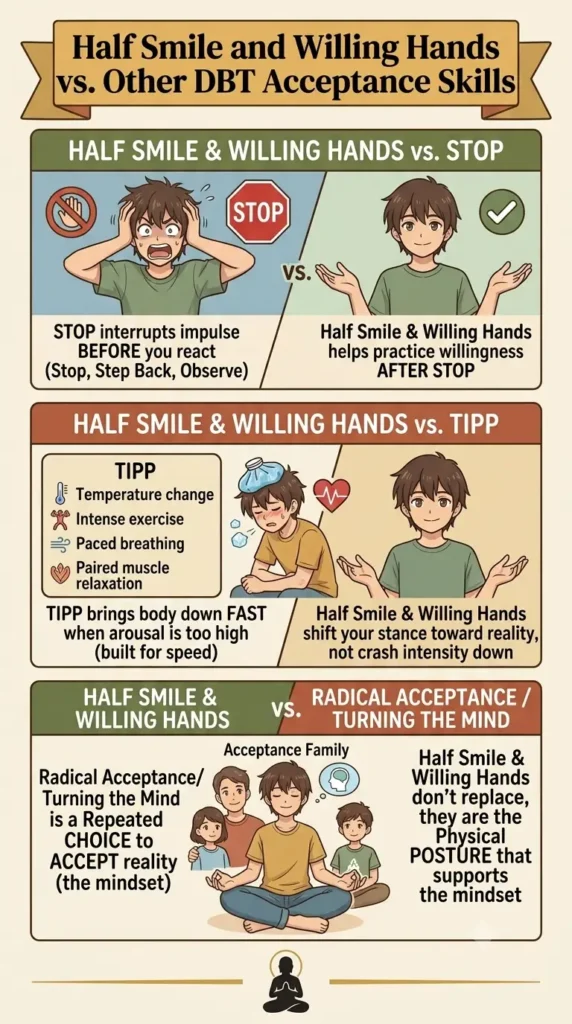
Willing Hands & Half Smile solve one specific problem: fighting a reality you can’t change right now. Other DBT skills solve different problems. STOP creates space before you react. TIPP cools down a body that’s running hot. Radical Acceptance and Turning the Mind work the acceptance process directly. Each one has a different job.
Half Smile and Willing Hands vs. STOP
STOP is for the moment right before you react. Stop. Step back. Observe what’s actually happening. Then proceed, on purpose instead of on autopilot. Learn the full sequence in the DBT STOP skill guide.
Half Smile and Willing Hands can pick up right after. Say an argument leaves you with your thumb hovering over send. STOP interrupts that impulse first. Then Half Smile and Willing Hands help you practice willingness toward the situation before you decide what to actually do.
Half Smile and Willing Hands vs. TIPP
TIPP steps in when arousal is too high to think straight. Temperature change, intense exercise, paced breathing, paired muscle relaxation. Four tools, one job: bring the body down fast. See the exercises and worksheet in the DBT TIPP skill breakdown.
Half Smile and Willing Hands aim somewhere else. They’re not built for speed. They’re built to shift your stance toward reality, not to crash your emotional intensity down in minutes.
Half Smile and Willing Hands vs. Radical Acceptance / Turning the Mind
Radical Acceptance and Turning the Mind sit close together in the acceptance family. Radical Acceptance means acknowledging reality exactly as it is. Turning the Mind is the repeated choice to turn back toward acceptance every time you notice yourself fighting it. Both are covered in this guide to DBT acceptance skills.
Half Smile and Willing Hands don’t replace that work. They give your body a physical way to practice it. Think of them as the posture that supports the mindset, not the mindset itself.
How These Skills Work Together
These aren’t competing techniques fighting for your attention. Use STOP to interrupt the impulsive reaction. Use TIPP when your body is overwhelmed. Then bring in Turning the Mind alongside Half Smile and Willing Hands as you work toward accepting what you can’t change. Once you’ve accepted the situation, you get to choose an effective response. No more fighting reality just to stay stuck in it.
Conclusion
Willing Hands and Half Smile are small physical practices, but their purpose goes beyond relaxing your hands or changing your facial expression. They can help you pause the struggle with reality long enough to practice willingness, especially when a situation cannot be changed right now.
You do not have to feel happy, agree with what happened, or make your emotions disappear. The goal is to meet the moment with less resistance and then choose what to do next.
If the practice feels awkward at first, that is okay. Start with a few quiet minutes, notice what changes in your body, and let the skill become familiar over time.
Frequently Asked Questions
What are Half Smile and Willing Hands in DBT?
Half Smile and Willing Hands are DBT acceptance skills that use relaxed facial expressions and open hand posture to practice willingness toward reality. Half Smile involves gently lifting the corners of your mouth, while Willing Hands involves relaxing your hands and turning your palms upward.
How do you practice the DBT Half Smile correctly?
To practice the DBT Half Smile, relax your forehead, eyes, jaw, and tongue first. Then gently curve the corners of your mouth upward without forcing a large grin. The goal is a soft, relaxed expression while noticing the situation you are accepting, rather than pretending everything feels good.
What are Willing Hands supposed to look like in DBT?
Willing Hands means relaxing your arms, hands, and fingers instead of clenching them or crossing your arms defensively. Turn your palms upward and allow your fingers to rest naturally. You can practice the posture while sitting, standing, or lying down, depending on what feels comfortable.
Do Half Smile and Willing Hands actually make you feel better?
They can help some people shift their physical response to distress, but they are not guaranteed to make difficult emotions disappear. The purpose is not simply to feel better. Half Smile and Willing Hands are practiced to support willingness and acceptance when fighting reality is adding to suffering.
What is the difference between willingness and willfulness in DBT?
In DBT, willingness means participating in reality as it is and doing what the situation requires, even when you dislike it. Willfulness involves resisting, controlling, or refusing to accept what cannot currently be changed. Willingness does not mean liking the situation or giving up.
Is Half Smile the same as pretending to be happy or accepting something you don’t like?
No. A DBT Half Smile is not an instruction to pretend that something painful is enjoyable or acceptable in the ordinary sense. It is a subtle physical practice used alongside willingness. You can acknowledge that something hurts while still practicing acceptance of the reality you cannot change.

It’s Bhaskar!
Well, I am not a psychologist a monk, or a philosopher by training. I’m just an engineering graduate.
‘The Empty Self’ is where I write about that idea, and what it actually means for ordinary life, anxiety, identity, habits, the stories we tell ourselves about who we are. I don’t have a psychology degree, and I’m not offering therapy or clinical advice. What I do have is thought and clarity, and genuine curiosity about why we suffer the way we do and how much of it might loose once we shed this ‘fixed identity’.
Pingback: DBT Emotion Regulation Skills 2026: Module Guide With Free Worksheets | The Empty Self