

Most gratitude lists sound the same. Family. Friends. A roof over your head. Those things matter, sure. But sameness numbs you to what thanks actually feels like. The deep things to be thankful for rarely look pleasant at first glance.
They’re awkward growth spurts. Embarrassing mistakes. Boring weekends spent doing nothing. Even the letdowns that quietly shape who you become. This list skips the obvious. It digs into the odd corners of teenage life. Those corners deserve as much credit as life’s biggest wins.
Table of Contents
Why Unique Things to Be Thankful For Hit Different for Teens
Thanks feels bigger when it moves past the obvious. Most gratitude lists repeat the same three answers. Family. Friends. Health. Nothing wrong with any of that. But finding unique things to be thankful for, the awkward moments, the boring stretches, the stuff nobody claps for, forces you to notice what’s actually shaping you.
Obvious Gratitude Lists Go Stale Fast
Ask a room full of teens what they’re thankful for. You’ll hear the same handful of answers every time. Family, friends, health, maybe a pet. These responses are real. That’s not the problem. The problem shows up when every gratitude exercise starts and stops there. It turns automatic. You stop noticing the smaller stuff that quietly builds who you’re becoming.
Research covered by the Chronicle of Evidence-Based Mentoring points out that relationships like family and friends dominate the top of adolescent gratitude lists. Almost every teen names them first. That’s exactly the reason to look past them once in a while. Unusual things to be thankful for don’t cancel out the obvious ones. They just add a layer most people skip.

Naming the Overlooked Stuff Forces Real Noticing
Gratitude isn’t pretending everything’s fine. It’s spotting value where you wouldn’t normally look. A rejected apbplication. A dull weekend. A rule you hated at the time. Months later, one of those can reveal something about your character that wasn’t visible in the moment. Sound too simple to matter? It isn’t.
That’s also why gratitude and hard emotions aren’t opposites. You can appreciate parts of your life while still feeling anxious, disappointed, or wrecked. Both can sit in the same day. If that sounds off, it’s worth reading how gratitude and anxiety can coexist.
25 Unique (and Unusual) Things to Be Thankful For
Family, friends, good health, a favorite teacher. That’s how most gratitude lists start. Fair enough. But if you’re hunting for unique things to be thankful for, look at what you’d normally complain about first. Those moments teach patience. They build confidence. And most of the time, you don’t notice the shift until years later.
1. A Sibling Who Steals Your Stuff
Your hoodie vanishes. Your charger ends up in someone else’s room. Again. It’s annoying, sure. But living with someone who drives you a little crazy teaches negotiation. It teaches boundaries. And it teaches you when to pick a battle and when to let it go. Not glamorous skills. They follow you anyway, long past your teenage years.
2. Braces, Acne, or an Awkward Growth Spurt
Nobody wakes up thrilled about braces. Or breakouts. Still, these phases remind you that growing up isn’t graceful for anyone, ever. What feels huge at fifteen usually shrinks fast. Give it a few years. Most of it becomes a funny story, or nothing at all.
3. Getting Rejected From Something
Missing the team stings. So does losing out on a leadership role. But rejection asks better questions than success ever does. Was this really what you wanted? What needs work? Is there another path you hadn’t considered? Sometimes a closed door saves you from the wrong room entirely.
4. A Strict Teacher or Curfew
Rules feel pointless when you’re sure you know better. Looking back, though, the people who pushed hardest were often preparing you for things that come with no reminders. No second chances either. You don’t have to agree with every rule. You can still learn something from it.
5. Boredom on a Slow Sunday
Nonstop entertainment leaves no room for imagination. None. A slow afternoon with nothing planned often becomes the moment you pick up a forgotten hobby. Or organize your thoughts. Or finally start that thing you kept putting off. Boredom isn’t empty. It’s space, waiting to be used.
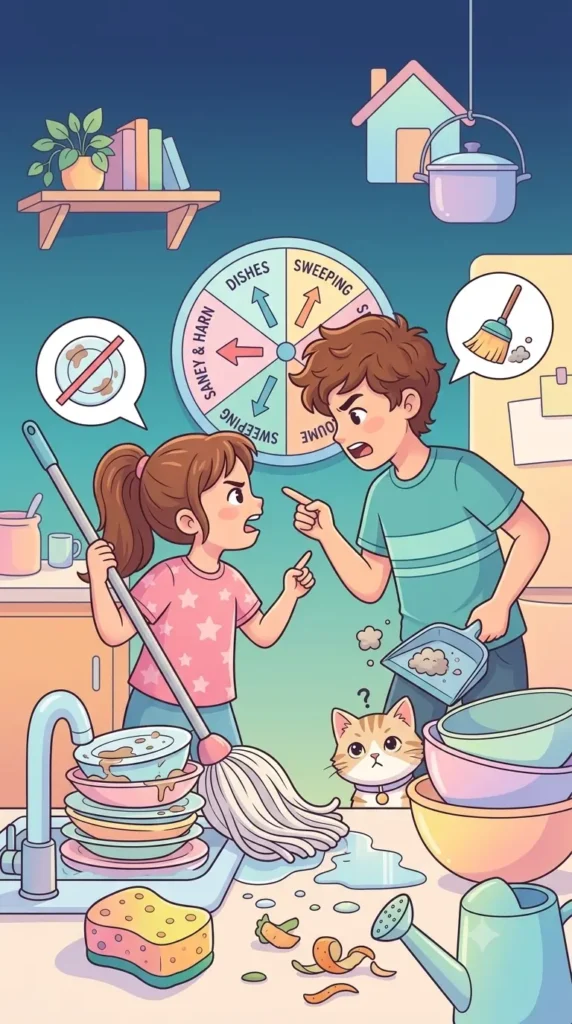
6. A Chore You Hate Doing
Cleaning the bathroom isn’t fun. Folding laundry even less so. But it’s one of the first places you learn that being responsible means doing the necessary thing, even when nobody claps for it. That habit matters more than it feels like in the moment.
7. An Embarrassing Moment Nobody Else Remembers
You remember that clumsy presentation in vivid detail. The trip in the hallway too. Everyone else? They’ve already moved on to worrying about their own stuff. Our brains replay embarrassment like a highlight reel nobody asked for. Realizing that can be strangely freeing.
8. Hand-Me-Down Clothes or an Old Car
It’s easy to compare your life to someone’s highlight reel online. Hand-me-downs and well-used things teach something different though. Creativity. Appreciation. And a reminder that your worth has nothing to do with whether everything you own is brand new.
9. A Group Project Partner Who Didn’t Pull Their Weight
Nearly everyone has carried more than their share on a group assignment. Frustrating, yes. But it teaches communication. Problem-solving too. And it teaches you when to ask for help instead of quietly doing everything yourself. Those lessons resurface in college. Then again at work.
10. Getting Caught in a Lie and Having to Own It
Getting caught is uncomfortable. Owning the mistake is worse. Yet almost nothing teaches integrity faster than admitting you were wrong. Then doing the work to repair the trust you broke.
11. A Phone Dying at the Worst Possible Moment
Battery dies halfway through the day. Feels like a disaster. Then something else happens. You notice the people around you. You notice your surroundings. Maybe a few minutes pass without a single notification. The break isn’t always the bad part.
12. An Alarm Clock You Resent Every Morning
Almost nobody enjoys waking up early. Still, that alarm means something bigger than lost sleep. It’s another shot to show up. To learn. To keep a promise to yourself, even a small one. Growth usually looks far less exciting than social media makes it seem.
13. A “Not Yet” Instead of a Flat “No”
Sometimes life doesn’t reject your goal. It postpones it. A delayed opportunity gives you time to build skill, gain confidence, or realize you wanted something else all along. “Not yet” leaves room that “no” never does.
14. A Friendship That Quietly Faded
Not every friendship ends in an argument. Some just drift, as people grow in different directions. Painful, yes. But it clears space for relationships that fit who you’re becoming. Not who you used to be.
15. Homework You Don’t Understand Yet
Confusing homework doesn’t mean you’re incapable. It means you’re learning something you haven’t mastered. Yet. The struggle is often where real understanding starts, even when it feels unproductive in the moment.
16. A Parent’s “No” You Were Furious About
Plenty of teenage arguments don’t look the same five years out. Some boundaries feel unfair until you’ve got enough distance to see the reasoning. You won’t always agree. But perspective tends to grow with time anyway.
17. Sitting With a Hard Feeling Instead of Numbing It
Disappointment. Jealousy. Loneliness. Grief. You can’t outrun these forever. Learning to sit with them, without reaching for endless scrolling, is one of the healthiest skills a teenager can build. Hard feelings get easier to understand once you stop trying to silence them right away.
18. A Rainy Day That Canceled Your Plans
Canceled plans sting, especially the ones you looked forward to all week. But that unplanned downtime can turn into the afternoon you finally rest. Or read. Or create something. Or have a conversation that never would’ve happened otherwise.
19. An Argument That Actually Got Resolved
Conflict isn’t proof a relationship is failing. Sometimes it’s proof both people cared enough to work through it instead of pretending nothing happened. Healthy relationships aren’t conflict-free. They’re just willing to repair.
20. Getting Picked Last for Something
Few things bruise confidence faster. But being overlooked builds empathy for other people who feel invisible too. It’s also a reminder. Your worth was never up to someone else’s selection process.
21. A Year That Felt Uneventful
Not every year brings a big milestone. Quiet years often bring stability. Or healing. Or the kind of maturing that only shows up when you look back later. Growth doesn’t always announce itself.
22. A Habit You’re Still Bad At
Maybe you’re still trying to exercise consistently. Or read more. Or stop putting things off. The fact that you’re still trying matters more than getting it right immediately. Improvement is slower and messier than most people admit.
23. An Old Photo That’s Cringey Now
Looking at an old picture and wondering what you were thinking is oddly reassuring. It means you’ve changed. If an old version of you makes you smile, or cringe a little, you’ve probably grown since then.
24. A Rule You Disagreed With but Followed Anyway
Following every rule without question isn’t the goal here. Knowing when to respect structure while building your own judgment is. Sometimes self-discipline means choosing the responsible option before you even understand why it exists. That’s one of the more unusual things to be thankful for, but it holds up.
25. Not Knowing What’s Next
Teenagers feel pressure to have a full life plan before adulthood even starts. Here’s an honest take: uncertainty is normal. Not knowing what’s next creates room for discovery. Plenty of meaningful opportunities only show up because your future wasn’t mapped out in advance.
Research on adolescent gratitude keeps evolving. Recent findings published in Discover Psychology suggest that gratitude connects to greater happiness and lower hopelessness among teenagers. That doesn’t mean gratitude erases stress. Or guarantees good mental health. What it does suggest is simpler: noticing overlooked positives, even imperfect ones like the list above, can become one solid piece of a much bigger emotional toolkit.
Unique Things to Be Thankful For That Teens Usually Skip
Some of the most unique things to be thankful for never look like blessings at first. They’re quiet. Ordinary. Sometimes flat-out annoying. Yet these are the exact experiences that build real outlook and self-awareness, the kind obvious wins rarely touch. That’s the strange part about these unusual things to be thankful for. They don’t announce themselves.
Difficult Lessons You Didn’t Ask For
Nobody enjoys failing a test. Losing a friend stings worse. And realizing you handled something badly stings worse still. That’s the trap. But these moments often become turning points. They expose the habits that need to change. They show you what actually matters. They make later wins feel earned, not lucky.
Being thankful for this doesn’t mean pretending it felt good. It means something else. Some lessons only pay off after you’ve already lived through them, which is exactly the kind of shift covered in these deep things to be thankful for, the reflections that don’t come easy but stick the longest.
Quiet Moments That Don’t Feel Important
Teen life is loud. Notifications, homework, sports, and opinions fill nearly every hour. Quiet gets pushed out fast. That’s exactly why quiet moments deserve more credit than they usually get.
A walk home after school. A rainy afternoon with nothing planned. Ten minutes without a phone in hand. Small pauses like these make room to think instead of just react. They’re often when you notice how much you’ve actually grown.

Everyday Privileges That Fade Into the Background
Some of life’s biggest advantages go unnoticed. They’ve simply become normal. Books. Clean water. A park nearby. Fast internet for homework. A safe bed at night. None of that feels exciting. But each one quietly backs your future, every single day.
Thanks works best when it makes the invisible visible again.
Growth Isn’t Always the Goal. It’s Often the Result.
Research on thankfulness in teens tells a messier story than social media suggests. The Stronger Together study on gratitude social processes in adolescents found grateful youth across different communities report better well-being and more prosocial behavior, along with lower materialism and less antisocial behavior, compared to less grateful peers. Group-based thanks work can strengthen friendships and spark real social moments. Still, it doesn’t lift every teenager’s mental health the same way, or on the same timeline. That’s one reason forcing thanks rarely works.
A better approach is different. Stay curious about your days instead of chasing thankful feelings all the time. Over time, that mindset makes thanks feel real. Not performed.
How to Practice Gratitude When Life Feels Difficult
Practicing gratitude during a hard season doesn’t mean faking a smile. It means making room for the good stuff sitting right next to the stress. Finding unique things to be thankful for, even on rough days, works better than forcing a feeling that isn’t there yet. Small habits beat big declarations. Every time.
Gratitude Journaling
A gratitude journal doesn’t need deep thoughts. Not even close. On hard days, one small line is enough. A conversation that made you laugh. A song stuck in your head for the right reasons. Just making it through counts too. The goal is noticing. Not performing.
Stuck on where to start? 365 journal prompts for mental health makes reflection feel less like homework. And if stress is the main thing crowding your head right now, gratitude journaling for anxiety has approaches built for exactly that.
Share Appreciation Out Loud
Gratitude grows when you say it. Thank the teacher who stayed late. Text the friend who checked in for no reason. Tell a parent you noticed what they did. None of this needs a speech. One honest sentence usually does more than people expect.
Notice Unusual Things to Be Thankful For
You don’t need a flawless day to find something worth appreciating. Sometimes it’s the smell of rain hitting pavement after school. Sometimes it’s finally cracking a homework problem that fought back for an hour. A quiet bus ride home counts too. These small, unusual things to be thankful for are proof good moments keep showing up, even during a rough week.
Research in the MDPI paper Gratitude and Adolescents’ Mental Health and Well-Being points to a real link between gratitude and better emotional well-being in teens. It’s not a stand-in for therapy or other support. But it’s not nothing either.
Build a Habit, Not a Performance
The gratitude practice that lasts is the one you’ll actually keep doing. Two minutes before bed works. One sentence in a notebook works. Noticing a single overlooked moment each afternoon works too. None of it needs to be impressive.
Showing up matters more than writing long lists once and quitting by Thursday.
How Parents, Teachers, and Mentors Can Encourage Teen Gratitude
Teens don’t need a script. They need room.
Real gratitude shows up when a teenager feels respected, not managed. Force the words “thank you” and you get compliance, not feeling. The actual goal is smaller and harder: help them notice value in their own lives, on their own terms. A rushed lecture rarely does that. A short, honest exchange usually does.
Avoid Forcing Gratitude
Demand gratitude and it shrinks. Say “you should be grateful” to a teenager mid-disappointment, and watch the conversation close. Fast.
That line doesn’t open reflection. It shuts it down.
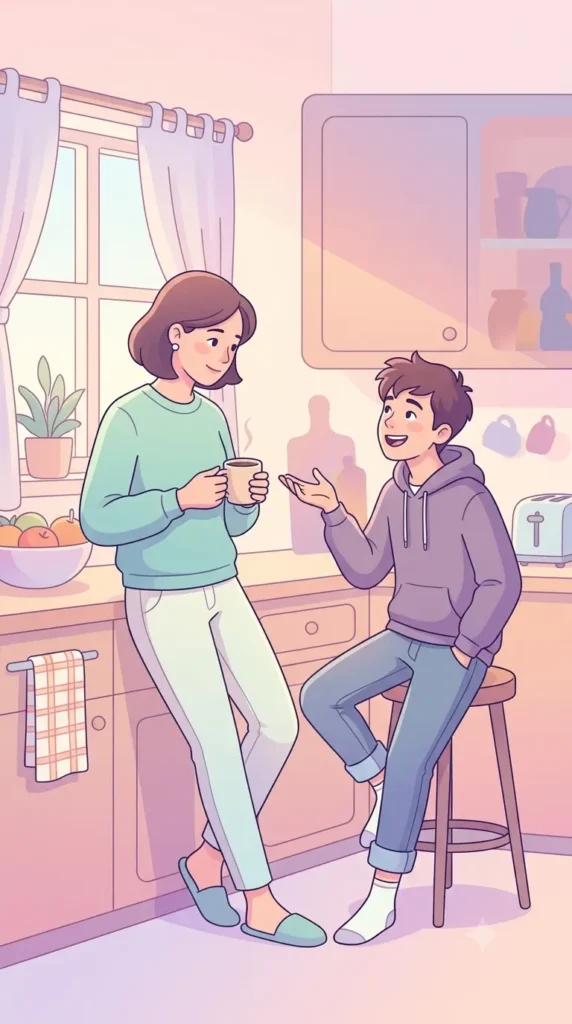
A better move? Name the feeling first. “That sounds rough” does more work than any reminder about how lucky they are. Once the emotion settles, a wider question fits naturally. Not before.
Encourage Reflection
Reflection is where gratitude actually grows. Not from being told to feel it. It grows when a teenager gets space to connect an experience to something they value. A journal works. So does replaying a hard week, or noticing a lesson that only made sense weeks later.
Some teens need a starting point, not a speech. This list of 100 things to be thankful for as a teenager offers exactly that. It’s built around unique things to be thankful for, prompts that go past the obvious stuff.
Why does this matter more than a worksheet? Because prompts open doors. Lectures close them.
Model Appreciation
Teenagers watch more than they listen.
If the adults around them name small moments out loud, a coworker’s kindness, a quiet morning, a mistake that taught something real, gratitude stops looking like a performance. It starts looking like a habit.
The goal isn’t nonstop positivity. Nobody buys that anyway. It’s showing that a hard day and a good day can both hold something worth noticing.
That’s the whole shift.
Use Meaningful Conversations
“What are you thankful for?” It’s a dead-end question. Ask it and you get a shrug, or worse, a rehearsed answer.
Try this instead: “What surprised you this week?” Or: “What’s something hard that actually taught you something?” These land differently because they invite curiosity, not obligation.
Give teenagers enough of these conversations and something shifts. Ordinary moments start to matter more. They start noticing unusual things to be thankful for, a failed test that forced a new study habit, a fight with a friend that led to a better one. Over time, these threads add up to something deeper.
That’s where the deep things to be thankful for come in, the kind that build resilience slowly, without anyone announcing it.
A Final Thought
The most meaningful gratitude often starts with the things you almost ignored. The awkward seasons, the disappointments, the ordinary routines, and the unanswered questions are all shaping you in ways that usually only become clear later. You don’t have to force yourself to feel thankful for everything that happens, especially when life feels heavy.
But staying curious about what a difficult moment might be teaching you can change how you carry it. If you’d like more inspiration, explore our Things to Be Thankful For or reflect on these Deep Things to Be Thankful For to continue building a gratitude practice that feels honest, personal, and your own.
Frequently Asked Questions
What are unique things to be thankful for?
Unique things to be thankful for are the overlooked experiences that quietly shape your character, even if they don’t feel positive in the moment.
A failed audition, a strict teacher, an awkward phase, a rainy afternoon, or a friendship that drifted apart can all teach resilience, patience, perspective, and self-awareness that obvious blessings often don’t.
What are the six pillars of gratitude?
While there isn’t one universally accepted set of “six pillars of gratitude,” many gratitude practices emphasize six core habits:
Noticing everyday positives,
Appreciating other people,
Accepting life’s challenges,
Expressing thanks,
Reflecting regularly, and
Acting with generosity.
Together, these habits help gratitude become a mindset rather than an occasional feeling.
What are the 7 enemies of gratitude?
Common obstacles to gratitude include comparison, entitlement, constant busyness, negativity bias, perfectionism, resentment, and taking everyday comforts for granted. Teenagers often experience several of these at once, especially through academic pressure and social media, making genuine gratitude harder, but not impossible, to develop.
How can teenagers practice gratitude when they are stressed or struggling?
Start small instead of forcing yourself to feel thankful for everything. Write down one meaningful moment each day, thank someone who made your week a little easier, or notice a small comfort you usually ignore. Gratitude works best when it acknowledges difficult feelings instead of pretending they don’t exist.
What are 5 ways to show gratitude?
You can show gratitude by saying thank you sincerely, writing a thoughtful note, helping someone without being asked, spending quality time with people you appreciate, or recognizing everyday efforts that often go unnoticed. Small, consistent actions usually make a stronger impression than occasional grand gestures.

It’s Bhaskar!
Well, I am not a psychologist a monk, or a philosopher by training. I’m just an engineering graduate.
‘The Empty Self’ is where I write about that idea, and what it actually means for ordinary life, anxiety, identity, habits, the stories we tell ourselves about who we are. I don’t have a psychology degree, and I’m not offering therapy or clinical advice. What I do have is thought and clarity, and genuine curiosity about why we suffer the way we do and how much of it might loose once we shed this ‘fixed identity’.